Sound Notes Bluework: Embroidery Design Review
As an experienced embroidery designer specializing in commercial merchandise, I approach every machine embroidery design with a critical eye toward production viability and brand longevity. When evaluating Sound Notes Bluework for small business applications, my primary focus is not just aesthetic appeal, but how the digitizing translates across various substrates like caps, aprons, and patches. This review dissects the technical and commercial aspects of this music-themed asset to help apparel decorators and shop owners determine if it fits their production workflow.
Visual Personality and Brand Alignment
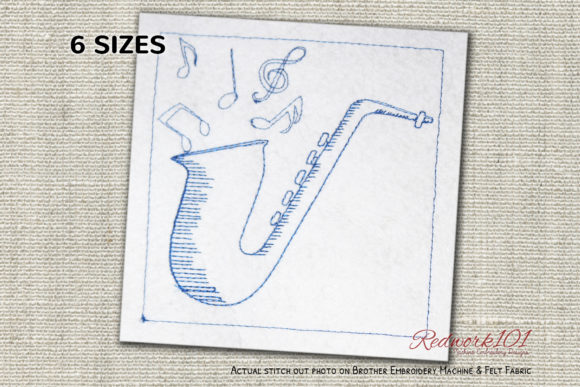
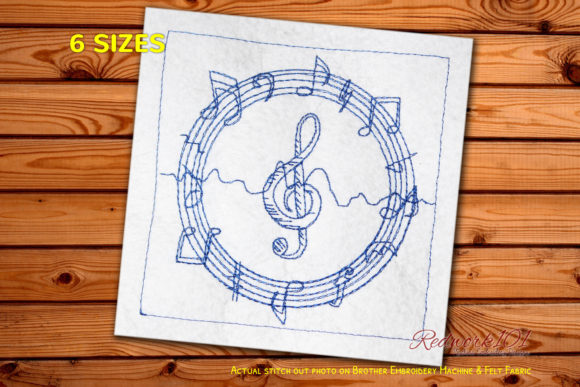
The first impression of Sound Notes Bluework suggests a versatile, classic aesthetic that bridges the gap between vintage charm and modern clarity. For businesses in the creative sector—such as recording studios, instrument repair shops, or boutique vinyl stores—this design offers immediate thematic recognition without being overly cartoonish. The "Bluework" designation implies a monochromatic or tonal stitching style that often reads as more premium and sophisticated than multicolor novelty designs.
From a brand identity perspective, this visual restraint is a significant advantage. Small business merch often fails when logos are too busy or colors clash with varied uniform styles. A bluework palette allows for high contrast on light fabrics or subtle tone-on-tone elegance on dark denim. Whether used for a handmade product tag or a staff uniform chest logo, the design communicates professionalism. It feels intentional rather than decorative, which helps build customer trust and reinforces the perception of quality in your finished goods.
Evaluating the Optional Box Stitch Feature
A crucial technical detail noted in the product description is that the box stitch shown is optional and often uses a different color. From a production standpoint, this flexibility is invaluable for commercial embroidery. In many digitized files, bounding boxes are merely placement guides that should be deleted before stitching. However, if this box is intended as a decorative frame, you must evaluate its necessity for your specific application.
If you are creating embroidered patches, retaining the box might provide a necessary border for merrowing or laser cutting. Conversely, for direct-to-garment applications like apron embroidery or left-chest polos, removing the outer box reduces stitch count and prevents the design from looking rigid or boxed-in. Always verify if the outer box is a separate object in your embroidery file. Deleting unnecessary elements can save seconds per run, which compounds significantly during bulk production runs for event merch or staff uniforms.
Performance Across Merchandise Categories
Versatility is key for small business owners maximizing their design assets. Here is how Sound Notes Bluework performs in real-world scenarios:
- Custom Apparel and Uniforms: The design’s likely moderate density makes it suitable for knit polos and woven work shirts. Ensure the underlay is sufficient to prevent fabric puckering on stretchy performance wear.
- Tote Bag Design: Canvas totes are forgiving, making them an ideal canvas for this artwork. The bluework style contrasts beautifully against natural cotton duck cloth, creating a rustic, artisanal vibe perfect for markets.
- Cap Embroidery: This requires caution. If the design includes fine details or horizontal text lines, it may distort on curved cap fronts. Test the center alignment carefully, as musical notes can appear tilted on structured hats.
- Patches and Labels: For small business merch add-ons, this design works well as a woven-look patch. If resizing down for sleeve cuffs or hem tags, simplify internal details to maintain legibility.
Technical Considerations for Production Success
While the aesthetic is appealing, successful implementation depends on respecting the physics of thread and fabric. As a designer, I advise checking the following before committing to a full production run:
- Stitch Density and Fabric Texture: Musical themes often involve stems and flags that can become dense. On textured fabrics like pique or fleece, these thin elements may get lost. You may need to increase column width slightly or add extra underlay to ensure the notes pop off the surface.
- Hoop Size and Stabilizer Selection: Never guess your hoop size. Measure the actual stitch field in your software. For stable items like tote bags, medium-weight cutaway stabilizer usually suffices. For stretchy apparel or caps, use appropriate backing to prevent registration shifts between the notes and any optional framing elements.
- Thread Color Contrast: Since this is a bluework design, contrast is everything. Test on both white and navy scrap fabric. If the blue thread disappears on dark garments, consider switching to a lighter shade or adding a white outline, provided it doesn't alter the intended vintage aesthetic.
- Small Size Legibility: If adapting this for tiny product labels, inspect the smallest note heads. Below 2mm, standard satin stitches may fail. Verify that the digital embroidery file maintains integrity at reduced scales, or request a simplified version specifically for micro-branding.
Strategic Implementation for Business Growth
Beyond the machine, consider how Sound Notes Bluework integrates into your broader marketing. Before stitching a single garment, create a printable mockup to visualize placement. Show clients or stakeholders how the design looks on a cap versus an apron. This step prevents costly re-digitizing later and ensures visual consistency across your product line.
Furthermore, always confirm commercial licensing terms before selling items featuring this design. While the artwork enhances handmade product value, legal compliance protects your business. Proper attribution or license acquisition is as important as correct tension settings.
Final Designer Verdict
Sound Notes Bluework presents a strong candidate for music-adjacent businesses seeking professional, non-generic branding. Its optional framing feature demonstrates thoughtful digitizing that accommodates both patch makers and direct embroiderers. By paying attention to substrate compatibility, stabilizer choices, and scale appropriateness, this design can elevate your merchandise from simple decoration to a cohesive brand asset. Always run a physical test sew-out on your target garment; screen approval never replaces fabric reality. With proper execution, this design delivers the reliability and aesthetic quality that small business merchandise demands.