Rice Cooker Bluework: A Merchandise Design Review
As an embroidery designer who specializes in commercial branding and small business merchandise, I approach every new digitization with a critical eye toward production viability. When reviewing the Rice Cooker Bluework machine embroidery design, my primary focus is not just on aesthetic appeal, but on how this asset performs across various branded goods. For café owners, boutique operators, and Etsy sellers, a design must be versatile enough to work on everything from staff aprons to retail tote bags without losing integrity. This review evaluates the technical and practical application of this specific House category embroidery file for professional use.
Visual Personality and Brand Alignment
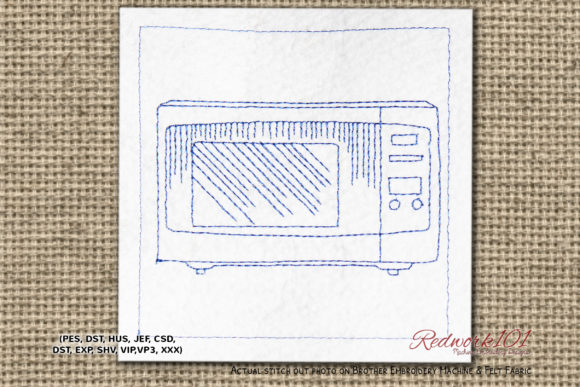
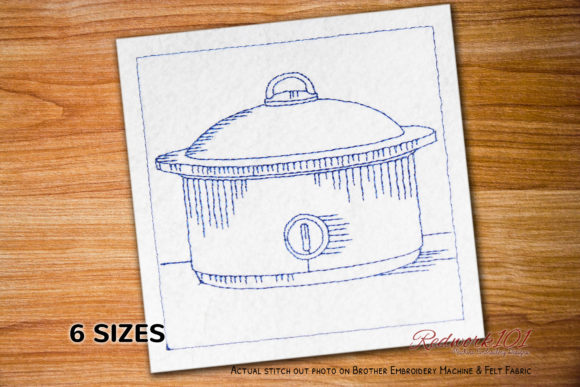
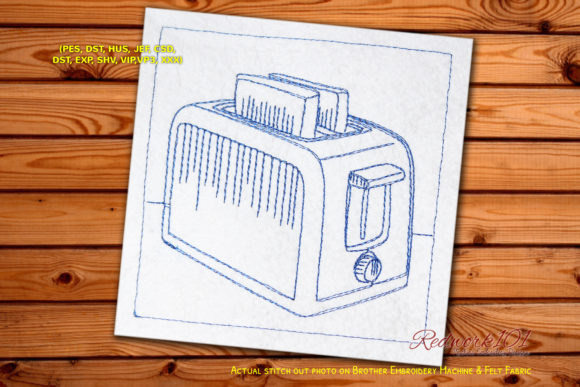
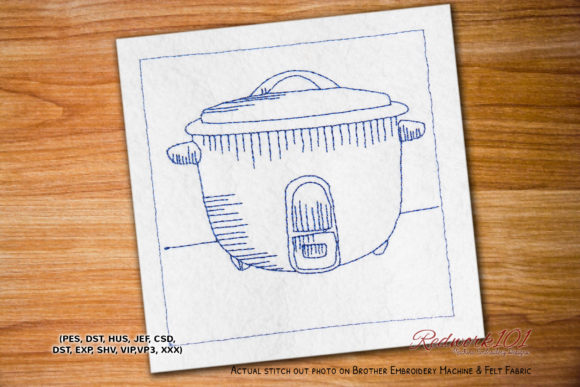
The first impression of Rice Cooker Bluework suggests a niche, artisanal quality that aligns perfectly with culinary businesses, Asian fusion restaurants, or handmade kitchenware brands. The term "Bluework" typically implies a monochromatic or limited color palette reminiscent of traditional blue-and-white ceramics or classic line art. This visual style communicates cleanliness, tradition, and craftsmanship. For a small business, this aesthetic builds immediate trust. It avoids the chaotic look of overly complex, multi-colored clip art and instead offers a refined, intentional appearance.
From a brand identity perspective, this design feels authentic rather than generic. If you are running a bakery, a florist with a tea service, or a creative studio with a kitchenette, this icon serves as a subtle nod to hospitality and domestic comfort. However, because it is stylized, it requires careful placement. It reads as premium and decorative, making it ideal for businesses that want their custom apparel to feel like high-end merchandise rather than standard corporate uniforms.
Evaluating the Optional Box Stitch Feature
A crucial technical note for embroiderers using this digital embroidery file is the optional box stitch element. The product description indicates that the outer box color often differs from the main design and can be skipped via color direct commands. As a professional reviewer, I strongly advise testing the design both with and without this border before committing to a full production run.
In many commercial embroidery projects, framing elements can either elevate a design or clutter it. If you are creating embroidered patches, the box stitch might provide a necessary boundary that defines the patch shape. However, for cap embroidery or left-chest logos on polo shirts, removing the box often results in a cleaner, more modern integration with the garment. Skipping the outer box also reduces total stitch count and production time, which directly impacts profit margins on bulk orders. Always verify if the box is integral to the structural stability of the design or purely decorative. If it is decorative, consider matching the thread colors to your specific brand palette rather than relying on the default digitizing colors.
Performance Across Business Merchandise
Versatility is the hallmark of a valuable embroidery file. Here is how Rice Cooker Bluework translates to common small business merch applications:
- Apron Embroidery: This is likely the strongest use case. The design’s theme naturally complements kitchen wear. On canvas or denim aprons, the bluework style provides excellent contrast. Ensure the design is centered on the chest pocket area or placed on the lower bib for maximum visibility.
- Tote Bag Design: For retail or customer gifts, this design works beautifully on natural cotton canvas. The artistic nature of the rice cooker icon turns a functional bag into a desirable handmade product. Because tote bags have a large, flat surface, you can utilize a larger hoop size to showcase detail without worrying about distortion.
- Staff Uniforms: On work shirts, keep the sizing modest. A 2-inch to 3-inch width maintains professionalism. The simplified color scheme of bluework prevents the logo from competing with name tags or other mandatory uniform branding.
- Product Packaging Accents: Consider stitching this design onto fabric labels or drawstring pouches for product packaging. It adds a tangible layer of value that printed stickers cannot replicate, enhancing the unboxing experience for customers.
Technical Constraints and Production Warnings
While Rice Cooker Bluework is aesthetically pleasing, certain applications require caution. Small business owners must understand the limitations of stitch density and fabric texture.
Cap Embroidery Challenges
Caps present unique difficulties due to their curved surface and structured fronts. If the Rice Cooker Bluework design contains fine lines or intricate shading typical of bluework styles, these details may get lost or cause puckering on a cap front. Before running a batch, test the design on a scrap cap with proper stabilizer. You may need to simplify the file or increase the spacing between stitch columns to prevent thread breaks and ensure legibility.
Fabric Texture and Stabilizer Selection
The success of this design heavily depends on your stabilizer choice. On textured fabrics like terry cloth or heavy linen, the finer details of the rice cooker illustration can sink into the weave. Use a water-soluble topping to keep stitches crisp and visible. Conversely, on lightweight performance fabrics used in modern chef coats, excessive stitch density could cause dragging. Always perform a sew-out test on the exact fabric intended for the finished product. Do not assume a setting that worked on cotton will work on polyester blends.
Washability and Durability
Kitchen merchandise faces harsh laundering conditions. High heat, bleach, and industrial detergents can degrade embroidery over time. Verify that your thread colors are colorfast. Additionally, check the spacing of the design elements. Tight, dense areas are more prone to fraying after repeated washing. If this design is intended for daily-wear staff uniforms, consider adding a light underlay to anchor the stitches securely to the fabric, ensuring the brand image remains professional wash after wash.
Strategic Implementation for Business Growth
Beyond the technical execution, Rice Cooker Bluework should be viewed as a strategic asset. Consistent use of this design across multiple touchpoints reinforces recognition. When customers see the same high-quality embroidery on your staff’s aprons, your retail tote bags, and your event merchandise, it creates a cohesive visual language.
For Etsy sellers and digital embroidery file buyers, this design offers an opportunity to create bundled collections. Pairing this rice cooker icon with matching utensil designs or complementary text creates a comprehensive branding kit for culinary clients. Always create a printable mockup to show potential clients how the design looks in context before they purchase or commission a run. Visualizing the final placement helps manage expectations and reduces revision requests.
Essential Pre-Production Checklist
Before loading this machine embroidery design into your production queue, complete this verification process:
- Verify Licensing: Confirm that your purchase includes commercial rights for selling physical embroidered items or reselling the digital file, depending on your business model.
- Check Hoop Compatibility: Ensure the design dimensions fit within your machine’s maximum embroidery area. If resizing is necessary, do so using professional software to maintain stitch integrity, rather than simply stretching the file.
- Test Thread Contrast: View the design in black and white mode in your software. This reveals whether the contrast relies solely on color or if the stitch direction and density provide sufficient definition. Good embroidery should read clearly even without color variation.
- Inspect Lettering (If Added):strong> If you plan to add your business name alongside the rice cooker, ensure the font weight matches the bluework style. Delicate script fonts may clash with bolder illustrative stitches.
- Run a Physical Sample: Never skip the test sew. Evaluate the back of the embroidery for excessive jump stitches or bobbin thread visibility. Clean up any trims manually if the automated process leaves tails that could snag during use.
Rice Cooker Bluework represents a strong contender for niche business branding when executed with technical precision. By respecting the optional nature of the box stitch, selecting appropriate stabilizers for varied textiles, and strategically placing the design where it enhances rather than overwhelms, small business owners can leverage this asset to create professional, memorable merchandise. Whether used as a standalone patch or part of a larger uniform program, its success lies in the thoughtful intersection of artistic charm and commercial durability.