Microwave Oven Redwork: A Designer’s Review
As an embroidery designer who has digitized and tested thousands of files for personalized gift shops, I approach every new machine embroidery design with a critical eye. When planning inventory for the upcoming season, I recently loaded the Microwave Oven Redwork file into my software to evaluate its potential for custom orders. Redwork is a timeless technique that relies on simple running stitches and backstitches to create charming, vintage-inspired imagery. This specific design captures a nostalgic domestic warmth that fits perfectly within the House category, but as with any digital embroidery file, it requires practical testing before it can be trusted for paid customer projects.
First Impressions and Emotional Appeal
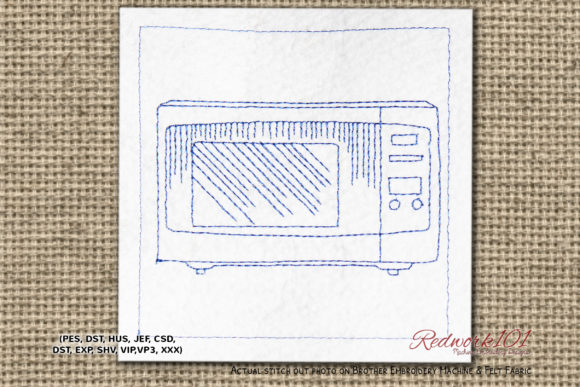
Upon opening the Microwave Oven Redwork file, the immediate impression is one of playful nostalgia. Unlike dense satin stitch designs that can feel heavy or stiff, this redwork style offers a light, airy aesthetic that feels inherently handmade. The mood is sweet and classic, evoking memories of mid-century kitchens and family gatherings. For an Etsy seller or small shop owner, this emotional connection is vital. Customers are not just buying an appliance icon; they are purchasing a feeling of home and comfort.
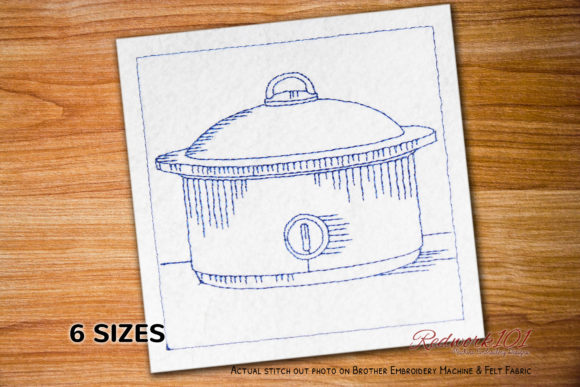
The design features clean lines that translate beautifully to fabric without excessive puckering. However, a crucial detail noted in the product description is that the Box Stitch shown in promotional images is optional. Furthermore, the outer box color often differs from the main design unless integrated specifically. As a professional, I appreciate this flexibility. It allows me to adapt the embroidery file to different projects. For a minimalist tea towel, I might skip the box entirely. For a framed nursery print, the box provides necessary structure. Always verify these layering options in your software before stitching to ensure the final look matches your vision.
Ideal Applications for Personalized Gifts
In my studio, I categorize designs by their end-use viability. Microwave Oven Redwork excels in several key areas for personalized gift products:
- Custom Embroidered Towels: This is perhaps the strongest application. The low stitch density of redwork prevents terry cloth from becoming stiff. It adds a whimsical touch to kitchen linens without compromising absorbency.
- Nursery and Baby Embroidery: While microwaves aren't traditional baby motifs, the retro style works wonderfully for "retro nursery" themes. On soft cotton blankets or bibs, the single-thread weight remains gentle against sensitive skin.
- Wedding Gift Keepsakes: For couples who love cooking or vintage aesthetics, this design on an apron or oven mitt serves as a unique alternative to standard monograms. It signals a thoughtful, curated wedding gift rather than a generic purchase.
- Tote Bags and Pillow Covers: The linear nature of redwork sits flat on canvas totes and linen pillowcases, making it ideal for items that require frequent washing or folding.
Technical Considerations and Fabric Limitations
While versatile, Microwave Oven Redwork demands respect for technical constraints. During my test runs, I identified specific scenarios where caution is required. Redwork relies on line definition; if the fabric texture is too aggressive, those delicate lines disappear. I advise against using this design on high-pile fleece or extremely thick terry towels unless you use a water-soluble topping to keep the stitches visible.
Stretchy fabrics present another challenge. If you are creating baby embroidery on knit onesies, the lack of fill stitches means there is less structural integrity holding the fabric stable. You must use a high-quality cutaway stabilizer and potentially a fusible backing to prevent distortion. Additionally, consider the hoop size carefully. Because the box stitch is optional, confirm whether your chosen configuration fits your smallest hoop if working on limited-space items like pocket tees or cuffs.
Color contrast is non-negotiable here. Redwork traditionally uses red thread on white fabric, but modern adaptations allow for various thread colors. However, low-contrast combinations (like grey thread on silver fabric) will fail visually. Always test on scrap fabric first. If selling finished products, compare light and dark fabric mockups to see which offers better readability in product photography. Dark fabrics may require a white underlay or a complete color inversion to maintain the design's charm.
Enhancing Perceived Value and Customer Trust
For commercial embroidery businesses, perceived value drives pricing. A well-executed redwork design screams "artisanal quality." When customers see the precise, consistent stitching of Microwave Oven Redwork on a finished product, it builds trust in your brand's attention to detail. This design avoids the cheap, mass-produced look of overly dense stock art.
Photography plays a massive role here. Because redwork is subtle, flat-lay photos with natural lighting showcase the texture better than flash photography. When listing this as a small shop product, emphasize the "handmade" and "vintage-inspired" aspects in your description. Buyers engaging with house-themed embroidery are often looking for decor that tells a story. By positioning this design as part of a curated collection of domestic nostalgia, you increase buyer engagement and justify premium pricing for your time and expertise.
Essential Pre-Production Checklist
Before adding Microwave Oven Redwork to your permanent catalog or accepting custom orders, run through this professional checklist to ensure commercial viability:
- Verify Licensing: Confirm the commercial embroidery license terms. Ensure you have the right to sell finished goods featuring this specific artwork.
- Test Stitch Out: Never rely solely on screen simulation. Stitch the design on the exact fabric you intend to sell. Check for thread breaks, tension issues, or registration errors.
- Review Optional Elements: Decide definitively whether to include or exclude the optional box stitch based on the target product. Document this decision for consistency across listings.
- Check Small Details: After washing the test swatch, inspect the smallest elements. Did the running stitches hold up? Did the fabric fray?
- Create Printable Mockups: Use your test stitch-out to create realistic digital previews. Accurate printable mockup images reduce return rates by setting correct expectations regarding scale and color.
- Confirm Hoop Compatibility: Ensure the design dimensions align with your machine’s capabilities and the physical space available on your chosen blanks.
Final Thoughts for Makers
Microwave Oven Redwork represents a delightful intersection of utility and sentimentality in the world of custom embroidery. Its success as a retail product depends entirely on execution. By respecting the delicate nature of redwork, choosing appropriate substrates, and leveraging its nostalgic appeal, you can transform a simple digital file into a cherished handmade product. Whether you are stocking an Etsy shop with vintage kitchenware or fulfilling a bespoke wedding commission, this design offers a unique opportunity to showcase the enduring charm of thread on fabric. Remember, in our industry, the difference between a good design and a bestseller is always the care taken during the testing phase. Happy stitching!