Truck Back Side View Lineart: A Designer Review
As an embroidery designer preparing for a limited seasonal drop, I approach every new machine embroidery design with a critical eye. When evaluating the Truck Back Side View Lineart for our upcoming boutique sweatshirt collection, my primary focus is how this digital asset translates from screen to fabric. This is not merely a graphic; it is a blueprint for texture and tone that must withstand commercial washing while maintaining a premium aesthetic. For small clothing brands and Etsy sellers, selecting the right transportation-themed artwork can define a capsule collection, and this specific lineart offers a unique blend of rustic charm and modern minimalism that warrants a deep technical and stylistic review.
First Impressions and Stitching Personality
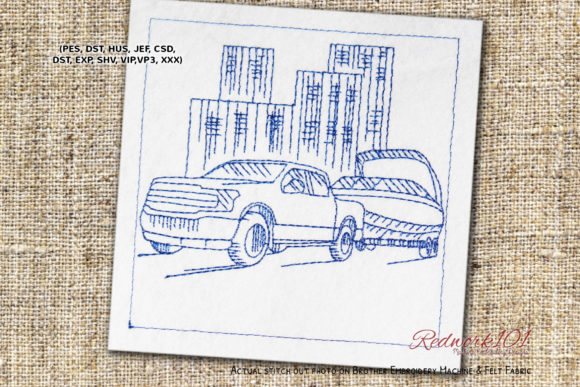
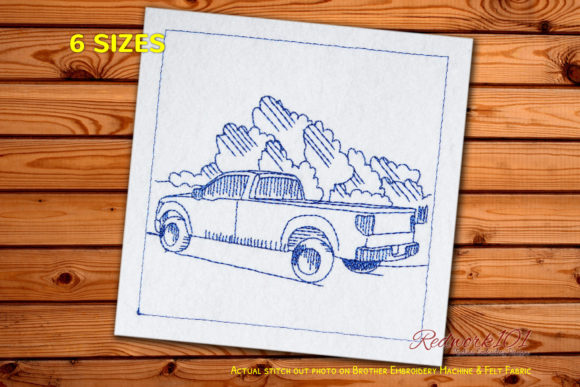
Upon loading the embroidery file, the first impression of Truck Back Side View Lineart is one of deliberate simplicity. Unlike dense fill designs that can make apparel feel stiff or bulletproof, this bluework style relies on the interplay of negative space and precise stitch paths. The mood is distinctly nostalgic yet clean, avoiding the cluttered look that often plagues vehicle-themed custom apparel. As a designer, I appreciate that the lineart captures the silhouette without over-engineering the details. This restraint is crucial for sweatshirt embroidery, where excessive density can cause puckering on knit fabrics.
The stitching personality here feels handcrafted rather than industrial. The lines have a slight organic quality that mimics sketching, which elevates the perceived value of the finished product. For a boutique brand aiming to sell cozy, high-quality goods, this design avoids looking like generic clip art. It possesses enough character to stand alone as a statement piece but remains subtle enough to pair with other lifestyle items in a shop listing. The optional box stitch mentioned in the product notes adds a layer of versatility; including it frames the truck for a badge-like appearance, while omitting it allows the vehicle to float freely for a more contemporary, minimalist layout.
Versatility Across Apparel and Fabric Types
When planning a collection, versatility is key to maximizing ROI on design assets. I tested the visualization of Truck Back Side View Lineart across various garment types relevant to handmade businesses and apparel decorators.
- Neutral Sweatshirts: On oatmeal, sand, or heather grey fabrics, the bluework creates a sophisticated contrast. The monochromatic thread choice keeps the design grounded and expensive-looking, perfect for unisex boutique merchandise.
- Dark Fabrics: On navy or charcoal hoodies, switching the thread to a cream or metallic silver transforms the design into a bold focal point. The lineart holds up beautifully against dark backgrounds because the stitch path is distinct enough to remain readable without heavy underlay.
- Pastel Colors: For spring drops, using a tonal thread (e.g., sage green on mint fabric) softens the industrial nature of the truck, making it appealing to customers seeking feminine or cottage-core aesthetics within the transportation category.
- Oversized Hoodies: This design scales exceptionally well for chest placements on oversized silhouettes. Because it is lineart-based, it does not add unnecessary weight to the garment's drape, maintaining that coveted "cozy" feel essential for seasonal apparel.
The optional outer box feature is particularly useful here. For sleeve accents or pocket-sized logos, utilizing the box provides necessary structure on smaller areas. Conversely, for large back prints on hoodies, removing the box allows the truck to breathe, preventing the design from feeling boxed-in or restrictive.
Technical Considerations for Commercial Embroidery
A pretty screen preview does not guarantee a successful production run. As someone managing commercial embroidery workflows, I must address practical concerns regarding Truck Back Side View Lineart. Since specific stitch counts and hoop sizes are not provided in the base description, it is imperative to verify these metrics in your software before hooping any garments. Always test on scrap fabric first.
Stabilizer Selection: Sweatshirt fleece and French terry are unstable knits. For this lineart design, I recommend a medium-weight cutaway stabilizer permanently adhered to the fabric. Tear-aways often leave residue or distort delicate line stitches during removal. The goal is to keep the registration perfect so the truck’s proportions remain accurate.
Thread Color and Contrast: Bluework implies a single-color aesthetic, but the impact depends entirely on contrast. If embroidering on a mid-tone blue sweatshirt, ensure the thread is significantly lighter or darker to maintain visibility. Low contrast kills lineart designs. For the optional box, consider using a complementary accent color to tie the design into your broader brand palette, but only if it enhances rather than distracts from the central motif.
Fabric Texture and Density: Heavy fleece textures can swallow thin lines. Verify that the stitch density is sufficient to sit on top of the nap without sinking in. If the lines appear too sparse in your test stitch-out, adding a slight width increase to the satin or running stitches may be necessary. However, avoid increasing density excessively, as this defeats the purpose of a lightweight lineart design.
Elevating Brand Identity and Buyer Trust
For Etsy sellers and creative entrepreneurs, the presentation of a handmade product is as important as the construction. Truck Back Side View Lineart serves as an excellent vehicle for building visual recognition. Its clean geometry photographs well, making it ideal for printable mockup creation and social media marketing. Clean lines translate clearly in thumbnail images, helping potential buyers instantly recognize the subject matter even on mobile screens.
Furthermore, offering a design that balances detail with wearability signals professionalism. Customers trust brands that understand garment construction. By choosing a digital embroidery file that respects the integrity of the fabric—avoiding heavy patches that ruin the drape of a premium hoodie—you demonstrate expertise. This attention to detail fosters buyer confidence and encourages repeat business.
The optional nature of the box stitch also allows for product differentiation within a single listing. You could offer a "Classic Badge" version and a "Modern Minimalist" version using the same core design, effectively doubling your catalog depth without purchasing new assets. This flexibility is invaluable for small shops managing inventory and keeping collections fresh.
Final Verdict for Boutique Production
After reviewing the aesthetic qualities, technical requirements, and market applicability, Truck Back Side View Lineart proves to be a strong contender for premium apparel projects. It successfully bridges the gap between masculine transportation themes and soft, boutique-style fashion. The design is robust enough for commercial use yet delicate enough for high-end retail positioning.
However, success lies in execution. Remember to confirm all technical specifications regarding hoop size and format compatibility before purchase. Test your thread colors against actual garment swatches, not just digital previews. Pay close attention to stabilization to ensure crisp lines on textured knits. When executed correctly, this design has the potential to become a staple bestseller, anchoring your transportation-themed offerings with style and substance. For those building a cohesive brand identity around rustic Americana or modern workwear aesthetics, this lineart provides the perfect foundation for a profitable and visually stunning embroidery collection.