Baseball Player Hits the Ball: Sweatshirt Design Review
As an embroidery designer preparing for a seasonal boutique drop, I am constantly evaluating digital assets to ensure they translate well from screen to fabric. When reviewing the Baseball Player Hits the Ball machine embroidery design, my primary focus is on how this specific artwork performs on premium sweatshirts and hoodies. This review breaks down the technical and aesthetic viability of this design for small clothing brands, Etsy sellers, and apparel decorators looking to expand their custom apparel offerings.
First Impressions and Aesthetic Vibe
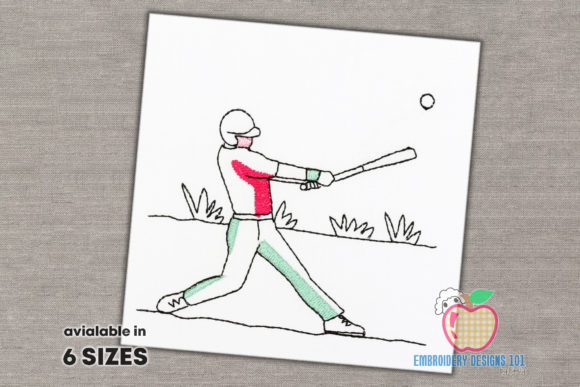
The initial appeal of Baseball Player Hits the Ball lies in its dynamic motion. Unlike static sports logos, this design captures an active moment, which immediately suggests energy and playfulness. For a boutique brand, this distinction is crucial. We are not just selling a sport; we are selling a lifestyle and a mood. The description notes that this is a "Quick Stitch" design and explicitly states it is not 100% filled. From a designer’s perspective, this is a significant advantage for sweatshirt embroidery.
Heavy fill designs can create bulletproof patches on cozy fabrics, causing puckering and discomfort. Because this embroidery file utilizes open stitching techniques rather than dense satin or tatami fills, it retains the drape and softness of the garment. This makes it ideal for oversized hoodies and pastel-colored sweatshirts where maintaining the fabric texture is essential for that high-end, handmade product feel. The aesthetic leans towards casual and playful, making it versatile enough for both youth collections and nostalgic adult streetwear.
Placement Strategy for Boutique Apparel
When integrating Baseball Player Hits the Ball into a collection, placement dictates perceived value. Since the design comes in multiple sizes, as shown in the product image, we have flexibility in application across different garments.
- Chest Placement: On a standard crewneck sweatshirt, a medium-sized center chest placement creates a bold statement piece. The open stitch structure prevents the design from feeling too heavy against the sternum.
- Sleeve Accents: Utilizing the smaller size variations allows for unique sleeve placements near the cuff or bicep. This adds a premium detail often found in higher-tier commercial embroidery but rarely seen in basic print-on-demand items.
- Back Designs: For oversized hoodies, placing a larger version of the baseball player on the back with a smaller logo or text on the front left chest creates a balanced, trendy silhouette popular with Gen Z and Millennial buyers.
For Etsy sellers creating printable mockups, remember that because the design is not fully filled, your digital previews should reflect some fabric texture showing through the stitches. This accuracy builds buyer trust and sets realistic expectations for the finished product.
Technical Considerations for Sweatshirt Embroidery
While the Quick Stitch nature of this design is forgiving, professional results require attention to technical details. As you prepare your production run, consider these practical designer concerns regarding thread colors, stabilizer choice, and fabric thickness.
Stabilizer and Fabric Texture
Sweatshirt fleece and French terry are unstable knits. Even though Baseball Player Hits the Ball is lighter than a traditional patch, you must use appropriate stabilization. I recommend a cut-away stabilizer for permanent support on stretchy hoodie fabrics. A fusible mesh backing can also help prevent the open stitches from sinking into the pile of the sweatshirt. Always test on a scrap piece of your exact blank apparel before running the full batch. The interaction between the stitch density and the fabric texture will determine if the design looks crisp or messy.
Thread Color Contrast and Visibility
Because the design relies on line work and partial fills rather than solid blocks of color, contrast is everything. If you are stitching white thread on a cream sweatshirt, the intricate details of the bat swing may get lost. For neutral sweatshirts, consider using high-contrast thread colors like navy, forest green, or maroon to make the action pop. Conversely, for dark fabrics, bright whites, golds, or neon accents will highlight the movement. Always verify your thread palette against the specific embroidery file to ensure the digitizer intended those color breaks for visibility.
Durability and Washing
Boutique customers expect longevity. Open stitch designs can sometimes be more prone to snagging than solid fills. However, the trade-off is comfort. To mitigate durability issues, ensure your top tension is balanced so loops do not form on the backside. Advise your customers to wash the garment inside out. This simple care instruction preserves the integrity of the Baseball Player Hits the Ball design over years of wear, reinforcing the quality of your brand identity.
Commercial Viability and Brand Value
For creative entrepreneurs and small shop owners, time is money. The "Quick Stitch" designation of this machine embroidery design directly impacts profit margins. Lower stitch counts mean faster run times, allowing you to produce more units per hour without sacrificing visual impact. This efficiency is vital when fulfilling custom apparel orders during peak seasons.
Furthermore, utilizing a design that is categorized under Transportation (often associated with movement and vehicles) but applied here to sports demonstrates cross-category versatility. It appeals to customers interested in Americana, vintage athletics, and active lifestyles. By offering a design that feels curated rather than generic, you elevate your shop above competitors using standard clip art. The fact that it is not 100% filled signals to experienced embroiderers and savvy buyers that this was digitized with garment wearability in mind, not just for display on a hoop.
Pre-Production Checklist for Design Assets
Before listing this hoodie design or starting production, verify the following specifics which vary by vendor:
- Confirm Hoop Size Compatibility: Ensure the largest size included fits your machine’s maximum embroidery area. Do not assume resizing maintains stitch integrity; always check the original dimensions.
- Check File Formats: Verify the digital embroidery file includes the format your specific machine requires (.PES, .DST, .JEF, etc.).
- Review License Terms: Confirm whether the license permits commercial use on physical products sold in your boutique or Etsy shop.
- Test Stitch Out: Never skip this step. Evaluate the registration of the bat, hands, and ball. Misalignment in action-oriented designs ruins the illusion of movement.
Elevating Your Handmade Product Line
Incorporating Baseball Player Hits the Ball into your inventory offers a blend of nostalgia and modern comfort. Its lightweight construction respects the garment, while the dynamic imagery captures attention in social media feeds and marketplace thumbnails. Whether you are decorating for a local team, launching a seasonal capsule collection, or fulfilling custom requests for little league parents, this design serves as a reliable foundation.
Remember that successful commercial embroidery is about the marriage of art and engineering. By understanding the nuances of non-filled designs and applying proper stabilization techniques, you transform a simple digital file into a cherished piece of apparel. Take the time to photograph your finished samples on real models to showcase how the open stitches interact with the fabric. Authentic presentation drives engagement and sales far better than sterile digital mockups. With the right execution, this baseball design becomes more than just a graphic; it becomes a signature element of your boutique brand’s story.