Twin Skull Keys: Embroidery Design Review
As a professional embroidery designer specializing in commercial branding and merchandise production, I approach every new machine embroidery design with a critical eye toward production viability. When evaluating the Twin Skull Keys for small business applications, my primary concern is not just aesthetic appeal, but how the digitizing translates across various substrates like denim, canvas, and twill. This design falls under the Accessories category, yet its potential extends far beyond simple decoration. For shop owners, Etsy sellers, and apparel decorators, this asset represents a specific niche intersection of edgy symbolism and functional branding that requires careful technical consideration before hitting the start button on your machine.
Visual Personality and Brand Alignment
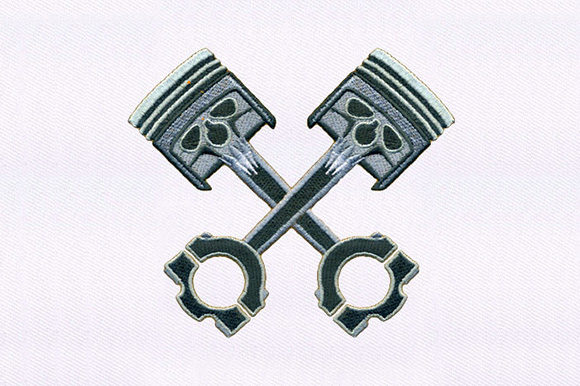
The first impression of Twin Skull Keys suggests a bold, alternative aesthetic that balances rustic charm with modern edge. Unlike generic clip art, this design carries a narrative weight suitable for businesses cultivating a distinct subculture identity. It feels handmade yet intentional, making it ideal for tattoo parlors, motorcycle clubs, vintage clothing boutiques, metal music venues, or artisanal coffee shops aiming for a darker, industrial vibe. However, as an embroidery file, the "twin" aspect implies symmetry or mirroring, which can be technically demanding. The visual balance must be perfect; if the digitizer has not accounted for pull compensation, the keys may distort during stitching, ruining the professional look required for brand identity.
For a creative studio or handmade product line, this design communicates authenticity. It avoids the sterile look of corporate logos while maintaining enough structure to serve as a recognizable mark. When reviewing this for client work, I assess whether the skull motifs are stylized enough to remain legible at smaller sizes or if they rely on excessive detail that will turn into a thread nest on textured fabric. The duality of "skulls" and "keys" offers rich metaphorical value for brands focused on unlocking potential, heritage craftsmanship, or exclusive access, provided the execution remains crisp.
Commercial Applications for Small Business Merch
In real-world commercial embroidery scenarios, versatility is key. Twin Skull Keys shows strong promise for several specific small business merch applications. As an embroidered patch, this design could serve as a standalone product or a value-add for customer loyalty programs. Patches allow you to test the market without committing to full garment production. I envision this working exceptionally well on heavy cotton canvas tote bags for a record store or as a back-of-jacket emblem for a brewery’s staff uniform. The design’s likely compact footprint makes it suitable for cap embroidery, specifically on structured six-panel caps where the center seam can sometimes interfere with dense designs.
For apron embroidery in a barbershop or craft cocktail bar, placement is everything. Positioning Twin Skull Keys on the upper chest bib creates immediate visual impact without interfering with the apron's functional pockets or ties. Similarly, for tote bag design, placing this motif near the bottom corner or centered on a natural cotton bag provides a high-contrast, premium feel that elevates the perceived value of the merchandise. Digital embroidery file buyers should also consider using this design as a branded tag or label element on the interior of garments, reinforcing the handmade product experience even in hidden details.
Technical Considerations and Production Risks
Despite its versatility, Twin Skull Keys presents specific challenges that require attention during the pre-production phase. The most critical factor is stitch density. Skull designs often feature intricate shading or bone texture. If the density is too high for the target fabric, you risk needle breaks, puckering, or a stiff, bulletproof patch that ruins the drape of a t-shirt. Conversely, if the outline stitches are too sparse, the design may lack definition on dark uniforms. Always verify the design’s performance on the actual fabric texture you intend to use; what works on smooth polyester twill may fail on ribbed knit or distressed denim.
Size reduction is another area of caution. While the title suggests a manageable scale, resizing a complex digital embroidery file down to a 2-inch patch size can cause text or fine key details to merge. Before running a full production batch, you must confirm the minimum viable size where all elements remain distinct. Additionally, check the hoop size requirements against your machine’s capabilities. Some multi-needle machines handle cap hoops differently than single-needle hobby machines. Using the correct stabilizer is non-negotiable here; a cutaway stabilizer is generally recommended for wearable items to prevent distortion over time, especially given the likely density of skull imagery.
Strategic Value for Brand Identity and Trust
Integrating Twin Skull Keys into your product lineup affects more than just aesthetics; it influences customer trust and recognition. Consistent use of high-quality design assets signals professionalism. A poorly stitched logo suggests a lack of care in other business areas, whereas a clean, sharp execution reinforces the quality of your goods. For Etsy sellers, this design can differentiate your shop in a saturated market by offering a cohesive visual theme across packaging, thank-you cards (via printable mockup previews), and physical products.
Furthermore, owning a versatile embroidery file allows for rapid adaptation to trends or seasonal promotions without redesigning from scratch. Whether used for event merch at a pop-up market or as a permanent fixture on custom apparel, this design builds a visual language that customers associate with your brand. The "key" element specifically invites engagement, subtly suggesting that purchasing your product unlocks entry into a community or lifestyle, which is a powerful psychological driver in niche marketing.
Professional Designer Notes for Implementation
Before adding Twin Skull Keys to your production queue, follow these practical steps to ensure success:
- Verify File Compatibility: This design includes formats 10O, ART, CND, DSB, DST, DSZ, EXP, HUS, JEF, PCS, PES, TAP, VIP, VP3, and XXX. Confirm your specific machine reads one of these native formats to avoid conversion errors that could alter stitch paths.
- Run a Black and White Test: Stitch the design in a single color first to evaluate the underlying structure and registration without the distraction of thread colors. This reveals any gaps or overlaps immediately.
- Check Licensing: Ensure you have the appropriate commercial rights for finished product sales versus digital redistribution. Never assume a file purchase includes unlimited merchandising rights.
- Create Client Mockups: Use a printable mockup or digital overlay to get client approval on placement and size before wasting materials. Visualizing Twin Skull Keys on a cap versus an apron helps manage expectations.
- Inspect Spacing and Trims: Review the design in editing software to check for excessive jump stitches or trims between the twin elements. Excessive trimming slows production and increases wear on your machine.
- Test Wash Durability: If intended for work shirts or aprons, wash and dry the test sample three times. Skull outlines can sometimes pull away from fill areas after laundering if not properly secured with underlay.
Ultimately, Twin Skull Keys is a potent asset for businesses targeting alternative, vintage, or artisanal demographics. By respecting the technical constraints of machine embroidery and aligning the design with a clear brand strategy, you can transform this digital file into a tangible symbol of quality and identity. Always prioritize testing and fabric compatibility to ensure your commercial embroidery projects meet the high standards your customers expect.