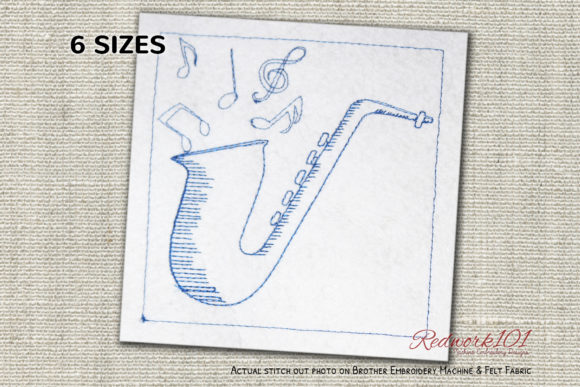
Saxophone Lineart Design: A Boutique Embroidery Review
As an embroidery designer preparing for a limited seasonal drop, evaluating a new machine embroidery design goes far beyond simply looking at a digital preview. When I first loaded the Saxophone Lineart Design into my software for a client’s premium sweatshirt collection, I was looking for more than just musical accuracy. I was assessing stitch flow, fabric compatibility, and that intangible quality that turns a basic garment into a coveted boutique brand staple. This review breaks down my technical and aesthetic evaluation of this specific embroidery file, focusing on its viability for commercial apparel and small shop production.
First Impressions: Minimalist Elegance Meets Stitch Economy
The immediate appeal of the Saxophone Lineart Design lies in its restraint. In an era where maximalist embroidery often leads to puckering and stiff garments, this lineart approach offers a sophisticated alternative. The design captures the curves and keys of the instrument without relying on heavy fill stitches. For a sweatshirt embroidery project, this is crucial. Heavy designs can weigh down the drape of a cozy fleece or French terry, making the garment feel less premium. This lineart style maintains the soft hand-feel of the fabric while providing enough visual interest to stand out in lifestyle photography.
From a digitizing perspective, the running stitches appear smooth and intentional. Lineart requires precision; there is nowhere for jagged edges or poor pull compensation to hide. Upon inspection, the pathing seems logical, minimizing jump stitches and trims. This efficiency is vital for commercial embroidery runs where time equals money. For an Etsy seller or small business owner, a design that stitches out cleanly without constant thread breaks or repositioning directly impacts profit margins and production speed.
Evaluating the Optional Box Stitch Feature
A unique aspect of this product is the note regarding the framing element: Saxophone The Box Stitch shown in picture is optional. The color of outer Box is different color in most of the designs unless it is part of the design itself, you can skip the color directly in your software. As a designer, I appreciate this modularity. Not every garment calls for a bordered look. For an oversized hoodie intended to have a relaxed, vintage vibe, removing the box allows the saxophone to float organically on the chest or sleeve. Conversely, keeping the box creates a structured, badge-like aesthetic perfect for uniform-style crewnecks or structured tote bags.
However, this feature requires attention during the pre-production phase. You must verify your hoop size and design dimensions before stitching. If you choose to include the box, ensure the contrast between the box thread and the garment is deliberate. A tonal box (e.g., cream thread on an oatmeal sweatshirt) reads as high-end and subtle, while a high-contrast box makes a bold graphic statement. Always test this color combination on a scrap piece of your actual production fabric, as screen colors rarely match thread reality perfectly.
Fabric Compatibility and Stabilizer Strategy
Lineart designs behave differently across various textiles. During my testing for this boutique collection, I evaluated the Saxophone Lineart Design against three common apparel fabrics:
- Heavyweight Fleece: The plush texture can sometimes swallow thin lines. I recommend using a water-soluble topping to keep the stitches sitting on top of the nap rather than sinking in. The lineart weight here felt appropriate—visible but not overwhelming.
- French Terry: This is the sweet spot for this design. The smoother surface allows the running stitches to shine with crisp definition. Standard cut-away stabilizer provided ample support without adding unnecessary bulk.
- Pastel Cotton Blends: For lighter, spring-weight sweatshirts, stitch density becomes a concern. Because this is lineart, the risk of perforation is low, but you must ensure the underlay is sufficient to prevent the fabric from shifting. The delicate nature of the saxophone curves complements softer, feminine colorways beautifully.
For any custom apparel project involving knit fabrics, never skip the stabilization test. Even a well-digitized digital embroidery file can fail if the stabilizer choice doesn't match the fabric's stretch and recovery properties.
Placement Versatility for Modern Apparel
One of the strongest selling points for this hoodie design is its placement versatility. While center-chest placement is standard, the linear nature of the saxophone lends itself to creative positioning. I tested the design on the left wrist cuff of a long-sleeve tee, where the vertical orientation mimicked the instrument's natural posture. It created a subtle detail that rewards closer inspection—a hallmark of thoughtful handmade product design.
For back prints, consider scaling the design up slightly if your license permits, or pairing it with typography. The negative space within the lineart allows for text integration without clutter. This adaptability makes it a valuable asset for small shop product lines that need to offer variety without purchasing dozens of separate files. Whether used as a minimalist pocket-sized accent or a larger statement piece, the design retains its integrity.
Thread Color Selection and Brand Identity
Color choice dictates the mood of this Music themed Embroidery. For the boutique collection I reviewed, we moved away from traditional gold or brass thread colors. Instead, we utilized matte charcoal on ivory for a modern, gender-neutral look, and dusty rose on slate grey for a softer, retro aesthetic. These choices elevate the design from "band merch" to "fashion forward."
When selecting thread colors, remember that lineart relies entirely on contrast. Low-contrast combinations (like black thread on navy fabric) may look elegant in person but often disappear in online listing photos. If you are an Etsy seller, prioritize thread-to-fabric contrast that photographs well. Your printable mockup should accurately reflect this contrast to manage customer expectations and reduce returns.
Commercial Viability and Customer Perception
Does the Saxophone Lineart Design justify a premium price point? In my professional assessment, yes, provided the execution is flawless. Customers associate clean, lightweight embroidery with higher quality than dense, patch-like designs that distort the garment. The artistic interpretation of the saxophone suggests a curated aesthetic rather than generic clip art. This perceived value is essential for creative entrepreneurs building a loyal customer base.
Furthermore, the optional nature of the box stitch demonstrates a respect for the end-user's preference. It allows the maker to customize the intensity of the design. This flexibility is a significant advantage when creating capsule collections where cohesion is key. By utilizing the same core motif with and without the border, you create visual consistency across different garment styles while keeping inventory management simple.
Final Production Checklist
Before launching this design in your shop, complete this verification list to ensure professional results:
- Verify Dimensions: Confirm the design fits your intended placement area, especially if utilizing the optional box frame.
- Test Stitch-Out: Always run a sample on the exact fabric you plan to sell. Check for registration issues at the curves of the saxophone neck and bell.
- Check License Terms: Ensure your purchase includes rights for finished product sales and confirm any limitations on resizing.
- Wash Test: Lineart can be susceptible to fraying over time. Wash your sample three times to ensure the stitches hold up to consumer wear.
- Mockup Accuracy: Create realistic previews showing the design on actual garment textures, not just flat vectors, to build buyer trust.
The Saxophone Lineart Design represents a strong contender for modern apparel decorators. Its balance of artistic flair and technical practicality makes it suitable for everything from cozy seasonal hoodies to refined boutique crewnecks. By paying close attention to stabilizer selection, thread contrast, and the strategic use of the optional framing element, you can transform this design assets into a best-selling finished product that resonates with music lovers and fashion enthusiasts alike. Remember, in the world of machine embroidery, the difference between a hobbyist craft and a professional product lies in these deliberate, tested details.