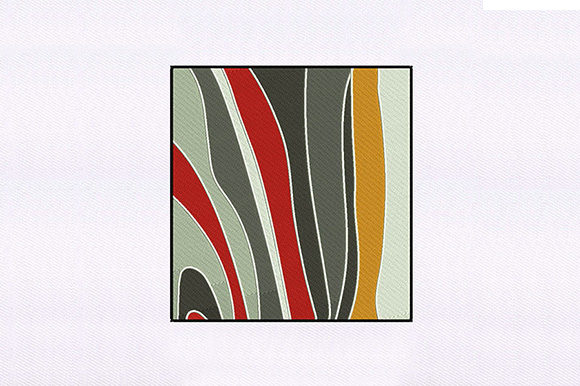
Paint Lively Quilting: A Boutique Sweatshirt Review
As an embroidery designer constantly sourcing fresh assets for small clothing brands and Etsy sellers, I approach every new machine embroidery design with a critical eye. When evaluating Paint Lively Quilting for an upcoming premium sweatshirt collection, my primary concern is how the digital file translates to tactile reality on heavy fleece. While this design is categorized under Bedroom, suggesting origins in home decor or quilt blocks, its aesthetic versatility makes it a surprising contender for modern apparel. For creative entrepreneurs and handmade business owners, understanding the crossover potential of such designs is key to maximizing inventory value without purchasing redundant assets.
First Impressions and Stitch Personality
Upon loading the embroidery file, the immediate impression of Paint Lively Quilting is one of structured whimsy. The title suggests a fusion of artistic fluidity ("Paint Lively") with traditional geometry ("Quilting"). In the context of sweatshirt embroidery, this balance is vital. Purely geometric quilt patterns can sometimes look stiff or dated on casual wear, while overly painterly designs can lose definition on textured fleece. This design appears to bridge that gap, offering a layout that feels decorative yet grounded.
For a boutique brand aiming for a cozy, rustic, or feminine aesthetic, the stitching personality here leans toward intricate but readable. It avoids the chaotic density of photorealistic embroidery, which often causes puckering on knit fabrics. Instead, it likely utilizes open fills and satin borders that mimic the piecing of a quilt. This visual language communicates warmth and craftsmanship, essential traits for selling custom apparel in the handmade market. When viewing the printable mockup, the design should evoke a sense of heritage comfort, making it ideal for seasonal drops or lounge collections.
Application on Premium Apparel
The true test of any digital embroidery file is its adaptability across different garment styles. For a limited sweatshirt drop, I evaluated Paint Lively Quilting against several specific scenarios relevant to small shop product planning.
Neutral and Pastel Sweatshirts
On cream, oatmeal, or sage green fleece, this design shines as a tone-on-tone or low-contrast statement. The "quilting" aspect implies texture over loud color blocking. For an Etsy seller focusing on minimalist luxury, using thread colors that are only two shades darker than the fabric creates a sophisticated, embossed effect. This technique elevates the perceived value of the finished product, moving it away from basic merchandising toward high-end artisanal wear.
Dark Fabrics and Bold Contrast
When applied to charcoal, navy, or black oversized hoodies, Paint Lively Quilting transforms. Here, the design acts as a focal point rather than a textural accent. Bright or metallic threads can highlight the "lively" nature of the pattern, making it pop against the dark background. This application suits streetwear-adjacent boutiques or brands targeting a younger demographic who appreciate bold graphics. However, designers must ensure the stitch density is sufficient to prevent the dark fabric from showing through lighter thread areas, a common pitfall in commercial embroidery.
Placement Versatility
While chest placement is standard for hoodie design, the geometry of a quilting-inspired motif allows for creative positioning. I see strong potential for sleeve accents, where the pattern runs vertically down the arm, mimicking quilt binding. Alternatively, a centered back placement on an oversized crewneck creates a canvas-like presentation. For lifestyle product photography, these unique placements provide visual interest that distinguishes your listings from competitors using generic clip art.
Technical Considerations for Knit Fabrics
Transitioning a design from the Bedroom category to apparel requires rigorous technical assessment. Fleece and French terry are unstable knits that demand respect during production. Before running Paint Lively Quilting on your final goods, consider these practical designer concerns.
- Stabilizer Strategy: You cannot rely on tear-away stabilizer alone for sweatshirt embroidery. A medium-weight cut-away mesh is non-negotiable to support the weight of the design and prevent distortion after washing. If the design has large fill areas, consider a water-soluble topping to keep the fleece pile from pushing through the stitches.
- Hoop Size and Tension: Always verify the dimensions within the provided formats (PES, DST, JEF, etc.) before hooping. Over-tightening the hoop on stretchy sweatshirt material will cause "hoop burn" and registration errors. Use adhesive spray or magnetic hoops to maintain neutral tension.
- Thread Color Contrast: Test your palette on scrap fabric first. What looks vibrant on screen may appear muddy on heathered fleece. High-twist polyester or rayon threads generally offer better sheen and durability for apparel than cotton, which can look matte and wear faster.
- Durability Testing: As a boutique brand, your reputation hinges on longevity. Wash-test a sample to ensure the design doesn't pull the fabric or unravel. Quilting-style designs with long satin stitches may require additional lock stitches at corners to survive industrial laundering.
Enhancing Brand Identity and Buyer Trust
In the saturated market of digital sellers and apparel decorators, utilizing unique design assets like Paint Lively Quilting helps establish a distinct visual identity. Customers associate quilting motifs with care, tradition, and domestic comfort. By applying this aesthetic to modern silhouettes, you create a narrative of "elevated nostalgia" that resonates deeply with buyers seeking meaningful handmade products.
Furthermore, professional execution of complex designs signals competence. When a customer sees clean registration, appropriate density, and thoughtful color matching, their trust in your small shop product increases. They understand they are paying for expertise, not just a machine's output. This perception directly impacts pricing power and customer retention.
File Compatibility and Production Readiness
One of the significant advantages of this asset is the extensive format availability. Whether you use a Brother (PES), Janome (JEF), Bernina (ART), or Tajima (DST) machine, Paint Lively Quilting is accessible. The inclusion of 10O, CND, DSB, DSZ, EXP, HUS, PCS, PEC, TAP, VIP, VP3, and XXX ensures compatibility across virtually all commercial and hobbyist equipment.
However, a crucial reminder for all creative entrepreneurs: always check specific metadata before production. While the formats are listed, exact stitch counts, physical dimensions, and color change sequences are not specified in the general description. Open the file in your digitizing software or machine preview mode to confirm the hoop size requirements match your capabilities. Verify if the design includes color stops or if you will need to manually program trims. Taking five minutes to audit the design assets prevents costly mistakes on premium blanks.
Final Verdict for the Boutique Creator
Paint Lively Quilting represents a valuable addition to the library of any serious embroidery shop or apparel decorator. Its strength lies in its duality; it honors its bedroom textile roots while adapting beautifully to the demands of fashion. For those preparing a seasonal collection, it offers a thematic anchor that feels both timely and timeless.
Success with this design depends entirely on your technical preparation. Treat it as a premium element, not a quick print-and-stitch job. Pair it with high-quality fleece, invest in proper stabilization, and curate your thread palette to match your brand’s mood. When executed with intention, Paint Lively Quilting ceases to be just a digital file and becomes a signature piece of your boutique’s story. For the Etsy seller or independent designer looking to add depth and texture to their offerings, this design warrants a spot in your next production run.