Detailed Lighthouse: A Craft Fair Embroidery Review
First Impressions for the Handmade Market Booth
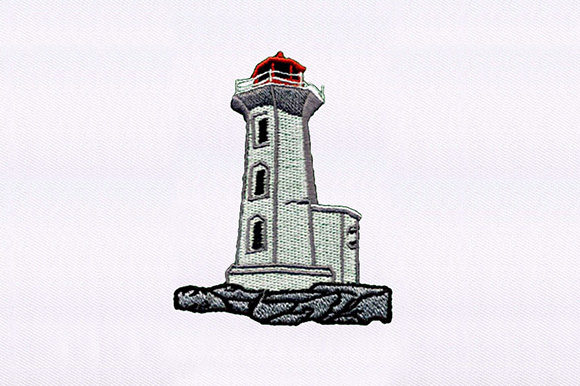
As an embroidery designer preparing for a weekend craft fair, my first step is always evaluating whether a machine embroidery design will actually stop customers in their tracks. When I loaded the Detailed Lighthouse file into my software, the immediate impression was one of classic coastal elegance rather than cartoonish novelty. This distinction is critical for boutique makers and Etsy sellers targeting adult buyers who appreciate refined home decor and accessories. The design reads as premium and nostalgic, evoking feelings of safety, guidance, and maritime history. It does not feel like a generic clip-art graphic; instead, it suggests a level of artistry that justifies a higher price point on finished goods.
For a booth display, this visual weight is essential. Customers browsing handmade products often scan tables quickly. Detailed Lighthouse possesses enough structural complexity to serve as a focal point from three feet away, yet retains enough intricacy to reward closer inspection. It strikes a balance between bold visibility and delicate craftsmanship, making it an ideal candidate for vendors who want their table to look curated and professional rather than cluttered with simple fill-stitch motifs.
Best Selling Applications for Coastal Goods
Determining where to place this design is just as important as the stitching itself. Based on the aesthetic profile of Detailed Lighthouse, I have identified specific product categories that offer the highest return on investment for craft fair sellers and commercial embroidery businesses.
Tote Bags and Market Shoppers
This design shines brightest as a tote bag design. Canvas and linen totes provide the stable foundation necessary for detailed work. Because lighthouses are vertical structures, they align perfectly with the natural grain and shape of a standard market bag. For an Etsy seller, listing a "Coastal Guide Tote" featuring this embroidery allows for strong keyword optimization while offering a practical, giftable item. The vertical orientation also leaves ample room for personalization or shop branding below the motif without crowding the composition.
Tea Towels and Kitchen Linens
Tea towel embroidery is a staple at handmade markets, but saturation is high. Detailed Lighthouse elevates this category above basic monograms. When stitched on flour sack cotton or waffle-weave linen, the design takes on a farmhouse-meets-coastal vibe that appeals to interior decorators and gift shoppers alike. Unlike horizontal landscapes that can get lost in folds, the upright nature of the lighthouse remains visible even when the towel is draped over an oven handle or folded for display.
Patches and Caps
While versatile, this design requires careful scaling for smaller items. As an embroidered patch, it works beautifully if the digitizing maintains clarity at reduced sizes. However, for caps, the curved surface presents challenges. I recommend testing on unstructured caps first. If the detail holds up, these become excellent impulse-buy add-ons at the register. They pair exceptionally well with nautical-themed aprons, creating a cohesive collection that encourages multi-item purchases.
Production Realities and Technical Considerations
A beautiful screen view does not always translate to a smooth production run. As someone who has produced hundreds of units for market weekends, I must emphasize practical manufacturing concerns before you commit to batch production.
- Stitch Density Management: Detailed implies coverage. High stitch density looks luxurious but can cause puckering on lighter fabrics. Always use appropriate stabilizer; a medium-weight cutaway is often safer than tear-away for complex architectural designs to prevent distortion during washing.
- Fabric Texture Compatibility: Avoid highly textured terry cloth or loose-weave burlap unless using a water-soluble topping. The fine lines typical of lighthouse railings and glass panes can sink into textured surfaces, ruining the definition. Smooth cottons, poly-canvas, and tight linens are your safest bets.
- Thread Color Strategy: Lighthouses rely on contrast. White against navy, or red against cream. Before running a full batch, verify your thread colors against the actual fabric under natural light. Booth lighting can be yellow or dim; ensure the contrast is stark enough to be readable in less-than-ideal conditions.
- Hoop Size Verification: The product description lists extensive formats including PES, DST, JEF, and VP3, but does not specify dimensions. You must check the physical size in your software before purchasing or stitching. Ensure the design fits your largest hoop comfortably with margin for stabilization, or plan to resize responsibly without compromising stitch integrity.
Merchandising and Visual Sales Tactics
How you present Detailed Lighthouse determines its perceived value. At a craft fair, I never lay embroidered items flat if I can avoid it. Stuff tote bags with tissue paper so the lighthouse stands upright and proud. Hang tea towels on wooden pegs rather than folding them in stacks. The verticality of this design demands vertical display methods.
For digital sellers and online boutiques, printable mockups are useful for listings, but nothing sells embroidery like macro photography showing real stitch texture. Photograph the design at an angle to show the sheen of the rayon or polyester threads. Highlight the transition points between colors to demonstrate registration accuracy. This proves to buyers that they are receiving a high-quality handmade product rather than a mass-produced print. When writing descriptions, leverage the emotional connection of the beach theme without being cliché. Focus on words like "navigational," "heritage," "coastal cottage," and "maritime tradition" to attract serious collectors of beach decor.
Designer Notes for Commercial Success
Before listing any item made with this digital embroidery file, conduct a rigorous quality assurance protocol. I always stitch out a test sample on the exact fabric intended for sale. Do not assume a setting that worked on quilting cotton will work on canvas duck. Check the back of the embroidery; excessive jump stitches or messy trims indicate a need for editing or better hooping technique. Clean backs equal professional fronts.
Furthermore, confirm your licensing. While the file format list (10O, ART, CND, DSB, DST, DSZ, EXP, HUS, JEF, PCS, PEC, PES, TAP, VIP, VP3, XXX) indicates broad machine compatibility, it does not confirm commercial usage rights for finished products. Responsible business owners verify this before selling. Assuming you have clearance, consider creating a capsule collection. Pair the Detailed Lighthouse with complementary anchors, compass roses, or wave motifs to create a themed booth section. Themed displays increase dwell time and average transaction value.
Finally, remember that versatility is key for small shop owners. This design should not be limited to just one product type. Test it on pillow covers for home decor vendors, on denim jackets for apparel sellers, and on zipper pouches for stationery lovers. By maximizing the utility of a single high-quality asset, you reduce cost-per-design and build brand recognition through consistent imagery. Detailed Lighthouse offers the sophistication needed for premium pricing and the adaptability required for a diverse inventory. Treat it with the technical respect it demands, and it will likely become a cornerstone of your coastal product line.