Monkey on Branch Redwork: Craft Fair Review
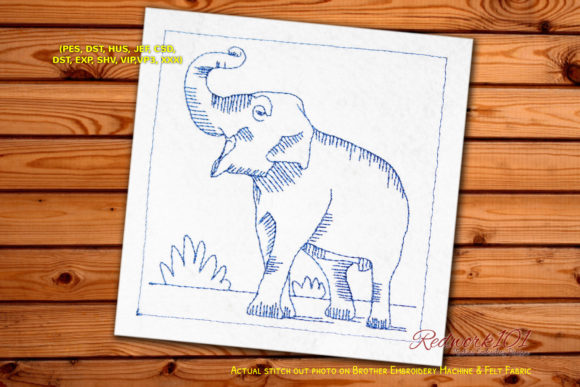
As I prepare my inventory for the upcoming weekend craft fair, I am constantly evaluating which machine embroidery design will stop customers in their tracks. When reviewing the Monkey on Branch Redwork file, my immediate assessment is that this design offers a distinct blend of vintage charm and playful whimsy. Redwork, traditionally characterized by red thread on white or cream fabric, evokes a nostalgic, farmhouse aesthetic that performs exceptionally well in handmade markets. However, as an experienced embroidery designer, I know that nostalgia alone does not guarantee sales. The true value lies in how this specific wild animals theme translates across various products, from tea towel embroidery to embroidered patches.
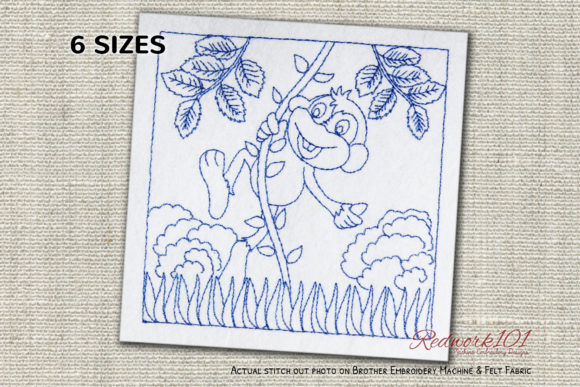
The first impression of Monkey on Branch Redwork is undeniably cute yet refined. Unlike cartoonish animal designs that can sometimes look juvenile, the redwork style lends an air of heritage and sophistication. This makes it versatile enough for adult buyers who appreciate cottage-core aesthetics as well as parents shopping for unique nursery items. For Etsy sellers and boutique makers, this balance is crucial. It allows you to market the same digital embroidery file across multiple demographics without diluting your brand identity. The optional box stitch mentioned in the product description adds a layer of customization that I find particularly valuable for batch production.
Evaluating Product Applications for Market Success
When planning a booth display, variety is key, but cohesion sells. I have tested similar wildlife motifs on various blanks, and here is how I see Monkey on Branch Redwork performing in a real-world retail environment.
- Tea Towel Embroidery: This is arguably the strongest application for this design. Redwork was historically used on linens, so placing this monkey motif on a flour sack towel feels authentic. Customers at craft fairs often grab these as impulse buys because they are practical gifts. The single-color nature of redwork keeps production costs low while maintaining a high perceived handmade quality.
- Tote Bag Design: A natural cotton tote with this design creates a beautiful contrast. Because the design is likely line-based, it does not add excessive weight or stiffness to the bag, preserving its utility. For small shop products, offering this on unbleached canvas aligns perfectly with current eco-friendly trends.
- Apron Embroidery: While functional, aprons need designs that sit correctly on the chest or bib. The vertical orientation of a monkey on a branch typically fits this space better than wide landscape designs. It transforms a standard kitchen garment into a statement piece.
- Embroidered Patches: If you utilize the optional box stitch border, this design becomes an instant patch candidate. Patches are excellent add-on sales items. You can produce these in bulk during downtime and price them as accessible entry points for new customers.
The Strategic Value of the Optional Box Stitch
The product note regarding the optional box stitch is a significant advantage for commercial embroidery workflows. In my experience, having a built-in framing element allows for greater flexibility when working with different hoop sizes or fabric textures. If I am stitching on a textured waffle weave towel where precise placement is difficult, utilizing the box stitch provides a clean boundary that contains the design visually. Conversely, if I am creating a minimalist pillow cover, skipping the outer box color directly creates a softer, more open look.
This modularity is essential for digital sellers and creative entrepreneurs. It means one embroidery file serves two distinct visual purposes. When listing finished products online, you can show both variations to demonstrate versatility. For printable mockups, displaying the design with and without the frame helps customers visualize how it might fit their specific project needs, potentially increasing conversion rates for the digital asset itself.
Production Realities and Technical Considerations
While redwork appears simple, it requires technical precision to look professional. As I review this design for my own production run, several practical factors come to mind. Redwork relies entirely on line definition; there is no fill stitching to hide tension issues or registration errors. Therefore, checking stitch density is non-negotiable before committing to a full run of craft fair products.
Fabric texture plays a massive role in the success of this specific style. On smooth cotton or linen, the stitches will pop. However, on highly textured terry cloth or fleece, the fine lines of the monkey’s features may get lost. If you intend to use this on plush fabrics, you must employ a water-soluble topping to prevent the stitches from sinking. Additionally, confirm your stabilizer choice. A tear-away backing is usually sufficient for redwork on stable fabrics, but if you are hooping loosely woven material, a cut-away might be necessary to prevent puckering around those long branch lines.
I also advise paying close attention to the "skip color" instruction in the description. Misunderstanding this could lead to wasted time changing threads unnecessarily or, worse, stitching a box color that clashes with your base fabric. Always run a test sew-out on scrap fabric identical to your final product. Verify that the thread colors match your brand palette and that the spacing feels balanced within your chosen hoop size.
Visual Merchandising and Customer Engagement
At a physical market, visual appeal dictates traffic flow. Monkey on Branch Redwork has strong booth display strength because of its high contrast. Red thread on white or cream backgrounds reads clearly from several feet away, drawing the eye even in crowded venues. To maximize buyer engagement, I recommend grouping items by application rather than scattering them. Create a "Kitchen Collection" vignette featuring the tea towels and aprons together, and a separate "Nursery & Gift" section with pouches and pillow covers.
For online sellers, photography is your storefront. Because redwork is monochromatic, lighting must be even to avoid shadows that distort the design lines. Natural light is best for capturing the true red tone. When creating listings, emphasize the handmade quality and the classic nature of the design. Use keywords like vintage style, nursery decor, and woodland animals naturally in your descriptions to connect with buyers searching for specific aesthetics.
Final Designer Recommendations for Sellers
Before adding Monkey on Branch Redwork to your permanent catalog, treat it as a test case. Produce a limited batch for your next event to gauge customer reaction. Does the optional box version sell better than the standalone motif? Do customers prefer it on totes or towels? Gather this data to refine future production.
Furthermore, always verify commercial licensing terms associated with any digital embroidery file. Ensure you have the right to sell both the physical finished product and, if applicable, the digital assets. Protecting your business starts with respecting intellectual property. Finally, remember that consistency builds trust. Whether you are selling an embroidered patch or a premium linen set, ensure every stitch reflects the quality your customers expect. This design has the potential to be a staple in your wild animals collection, provided it is executed with the care and strategic planning that defines successful handmade businesses.