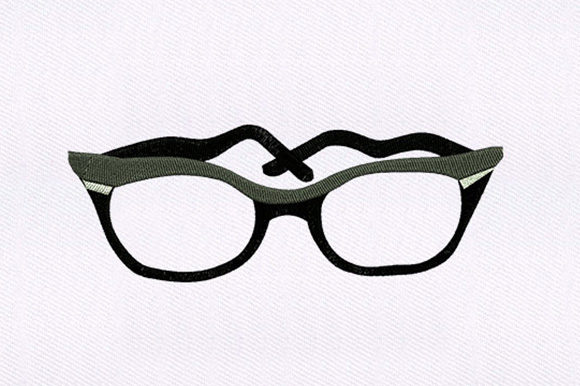
Vintage Eyeglasses: A Designer Review for Business Merch
As a professional embroidery designer specializing in commercial branding and small business merchandise, I approach every new digitized asset with a critical eye. When evaluating the Vintage Eyeglasses machine embroidery design, my primary focus is not just aesthetic appeal, but functional viability for production environments. For shop owners, Etsy sellers, and apparel decorators, a design must perform consistently across various substrates while maintaining brand integrity. This review analyzes the technical specifications and practical applications of this specific digital embroidery file to determine its true value for your business inventory.
Visual Personality and Brand Alignment
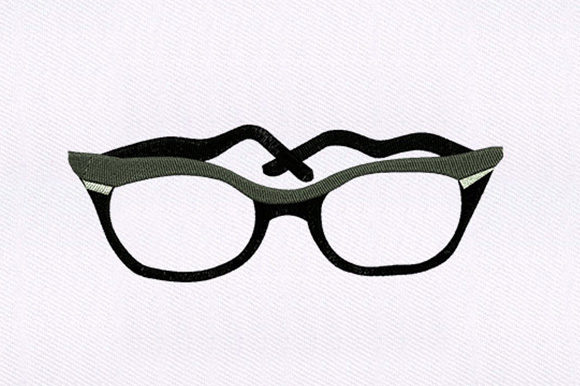
The first impression of the Vintage Eyeglasses design suggests a sophisticated yet approachable aesthetic that bridges the gap between retro charm and modern professionalism. In the context of the Beauty category, this motif avoids being overly clinical or sterile. Instead, it evokes feelings of craftsmanship, attention to detail, and timeless style. For a small business, this visual language is powerful. It communicates trust and heritage without requiring extensive text.
I find this design particularly effective for businesses that want to project an artisanal or boutique atmosphere. Whether you are operating a high-end salon, a vintage clothing resale shop, a creative studio, or even a specialty bakery, the eyeglass motif serves as a versatile symbol of "vision" and "focus." It feels handmade and curated rather than mass-produced, which is essential for brands competing on authenticity. The linear nature of the glasses allows them to act as a framing device or a subtle accent, making them less aggressive than a full logo but more distinctive than generic clip art.
Technical Performance in Commercial Embroidery
From a production standpoint, the specifications of this machine embroidery design are well-suited for high-volume commercial embroidery projects. With a stitch count of 2,804, the design sits in an optimal efficiency sweet spot. It is dense enough to provide solid coverage and perceived value, yet light enough to prevent fabric distortion or excessive run times on multi-needle machines. For small business merch where margins matter, a lower stitch count translates directly to faster turnaround times and reduced thread consumption.
The dimensions are equally pragmatic. At W 3.80 in x H 1.39 in (96.5 x 35.3 mm), the aspect ratio is wide and low-profile. This geometry is notoriously difficult to find but absolutely necessary for specific placement areas. As an experienced digitizer, I appreciate that this size fits perfectly within a standard 4x4 hoop size, maximizing compatibility with single-needle home machines and industrial equipment alike. This versatility ensures that whether you are fulfilling a single custom order or a bulk uniform contract, you do not need specialized hooping equipment.
The availability of diverse formats including DST, PES, JEF, HUS, EXP, and ART ensures seamless integration into virtually any embroidery ecosystem. For shops running Tajima or Barudan machines, the DST file is industry standard. For Brother or Babylock users, PES and PEC are ready to go. Having access to native formats like ART or VIP also allows designers to edit the file if minor adjustments are needed for specific fabric textures.
Strategic Applications for Small Business Merch
The horizontal orientation of Vintage Eyeglasses makes it a superior candidate for placements where vertical space is limited. In my experience outfitting staff and creating branded assets, this shape excels in the following applications:
- Apron Embroidery: Placed horizontally across the chest bib or centered on a waist pocket, the design remains visible without interfering with apron ties or functional pockets.
- Cap Embroidery: The 1.39-inch height is ideal for curved cap fronts. Unlike tall circular logos that distort on the crown, this linear design maintains registration and reduces puckering on structured hats.
- Sleeve Details: Perfect for cuff placement on work shirts or hoodie sleeves, serving as a secondary brand mark that complements a larger left-chest logo.
- Tote Bag Design: Acts as an elegant header above business contact information or as a minimalist standalone graphic on canvas shoppers.
- Embroidered Patches: The compact footprint allows for efficient nesting when producing patches in bulk, reducing backing waste and cutting time.
For beauty professionals specifically, this design works beautifully on lab coat collars, headbands, or even as a decorative element on product packaging ribbons. It adds a layer of premium branding to items that customers interact with daily.
Critical Considerations for Production Success
While the Vintage Eyeglasses design is robust, successful execution requires attention to detail. Linear designs can be unforgiving regarding alignment. If your hoop tension is uneven, the long horizontal lines may bow or warp. Always verify your hoop size and ensure proper stabilizer selection before running production. For stretchy knits used in custom apparel, I recommend a cutaway stabilizer to maintain the structural integrity of the glasses' frame lines.
Fabric texture plays a significant role in the final appearance. On smooth cotton twill or poplin, the 2,804 stitches will render crisp edges. However, on textured fabrics like linen or terry cloth, fine details may get lost. In these cases, consider using a water-soluble topping to keep the stitches visible. Additionally, because this design relies on shape recognition, thread color contrast is paramount. Testing in black and white first helps identify if the outline weight is sufficient against dark uniforms. If stitching on navy or black garments, ensure the thread colors provide adequate luminance so the vintage details remain legible.
When creating printable mockups for client approval, remember that the digital representation often looks cleaner than the stitched reality. Be transparent about how stitch density interacts with the chosen garment. This manages expectations and reinforces your expertise as a professional decorator.
Enhancing Brand Identity and Customer Trust
Incorporating thoughtfully selected design assets like Vintage Eyeglasses into your product line does more than decorate; it builds brand identity. Consistency across touchpoints—from staff uniforms to customer gifts—signals professionalism. When a client sees a cohesive visual theme executed with high-quality embroidery, their perception of your service quality increases. This is especially true in the beauty and handmade sectors, where aesthetics are intrinsic to the value proposition.
Furthermore, owning a versatile digital embroidery file allows for rapid adaptation. Need to create last-minute event merch? This design can be loaded and stitched immediately without waiting for custom digitizing. This agility is crucial for small businesses responding to trends or seasonal opportunities. Just always confirm commercial licensing terms before selling finished products to ensure your business remains compliant.
Designer’s Pre-Production Checklist
Before adding Vintage Eyeglasses to your permanent library or starting a production run, follow this verification protocol:
- Test Stitch: Run a sample on the actual fabric intended for the final product, not just scrap material.
- Check Registration: Inspect the corners and connecting points of the glasses frame for gaps or overlaps.
- Evaluate Scale: Confirm the 3.80-inch width suits the intended placement; resize only if necessary and test again after resizing.
- Review Thread Colors: Compare physical thread charts against the design palette to match your specific brand guidelines.
- Validate File Integrity: Open the specific format (e.g., DST, PES) in your machine software to ensure no conversion errors occurred.
- Assess Washability: If used for workwear, launder the test swatch to check for thread shrinkage or design distortion.
By treating the Vintage Eyeglasses machine embroidery design as a functional business tool rather than mere decoration, you maximize its return on investment. Its balanced stitch count, versatile dimensions, and classic aesthetic make it a reliable asset for apparel decorators and handmade brands seeking to elevate their merchandise with professional, consistent results.