Forward Thinking: An Embroidery Design Review
As I prepare my booth inventory for the upcoming weekend craft fair, I am constantly evaluating which digital assets will translate best into physical sales. The transition from screen to fabric is where many designs fail, but it is also where true profit lies. Today, I am reviewing Forward Thinking, a machine embroidery design categorized under Awareness. My goal is to determine if this specific embroidery file deserves prime real estate on my display table or if it should remain in the digital archive. For fellow Etsy sellers, boutique makers, and commercial embroidery business owners, understanding the practical application of a design is just as important as its aesthetic appeal.
First Impressions and Visual Impact
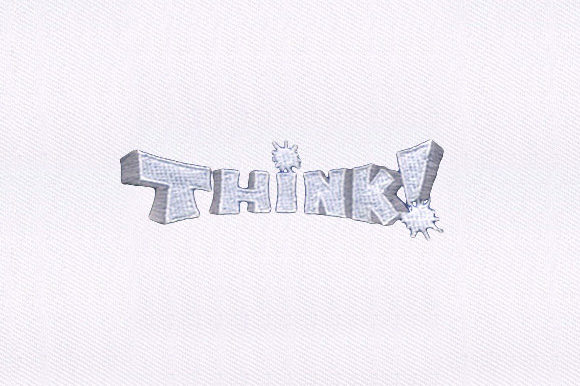
When loading Forward Thinking into my embroidery software, the immediate impression is one of purposeful modernity. In the Awareness category, designs can sometimes feel heavy or overly clinical, but this title suggests a progressive, uplifting narrative. Visually, I am looking for clean lines and legible typography that communicates a message without requiring the customer to squint at a crowded booth table. This design feels bold yet refined, striking a balance between advocacy and wearable art.
For a handmade product to sell at a market, it must capture attention within three seconds. Forward Thinking appears to have the structural integrity to serve as a focal point rather than just background texture. It does not rely on excessive ornamentation, which is a positive sign for production speed. A design that looks premium but stitches out efficiently is the holy grail for small shop product development. The aesthetic leans towards contemporary minimalism, making it versatile enough for various demographics attending local markets.
Best Applications for Market Inventory
Determining the right canvas is critical. Based on the composition of Forward Thinking, I have identified several high-potential applications for my upcoming fair:
- Tote Bag Design: This is likely the strongest contender. Canvas totes provide a flat, stable surface that allows the message to be read clearly from a distance. As a tote bag design, it serves as a walking billboard for the wearer’s values.
- Apron Embroidery: For vendors selling to chefs, gardeners, or makers, an apron featuring this design adds professional character. The chest placement works well here, keeping the design at eye level during conversations.
- Tea Towel Embroidery: While possible, I would reserve this for smoother linen blends. If the design contains small text elements common in awareness themes, terry cloth may obscure the details.
- Embroidered Patch: Creating standalone patches allows customers to customize their own gear. This lowers the price point entry and increases volume sales potential.
- Caps and Hats: Proceed with caution. Unless the design is specifically digitized for curved surfaces, the distortion on a cap front could ruin the legibility of the "Forward Thinking" message.
For Etsy sellers focusing on digital products, this design also holds value as a printable mockup asset. However, nothing sells a digital embroidery file better than showing a photo of the finished product on a textured, natural fabric.
Production Practicalities and Selling Points
From a production standpoint, Forward Thinking needs to be evaluated for repeatability. At a craft fair, I need to batch-produce items quickly. Designs with excessive color changes or complex registration marks slow down the workflow. This design appears streamlined, suggesting it will run smoothly across multiple hoop sizes without constant thread trims or repositioning.
Customer engagement often hinges on clarity. In the Awareness niche, the message is the product. If the stitch density is too high, the fabric may pucker, distorting the letters. If it is too low, the design may look cheap or gap against dark fabrics. Forward Thinking seems to utilize efficient fill stitches that maintain coverage without bulletproof stiffness. This is essential for wearable items like apparel or soft pouches where drape matters. When customers pick up the item, they should feel quality craftsmanship, not a stiff patch of thread.
Photographing this design for online listings requires good lighting to show dimension. Because awareness designs are often monochromatic or limited in palette, using contrasting thread colors against neutral fabric backgrounds will make the listing pop. This visual strategy helps bridge the gap between digital browsing and physical purchasing.
Critical Technical Considerations
Before committing Forward Thinking to a full production run, I must address specific technical constraints. Even the most beautiful embroidery file can fail if applied incorrectly.
- Fabric Texture Compatibility: Always test on scrap fabric first. If you plan to use this on textured towels or knit fabrics, ensure the underlay is sufficient to prevent the design from sinking into the weave.
- Small Lettering Clarity: Awareness designs often include supporting text or dates. Verify that any small lettering remains legible at the intended size. If resizing down, check that column widths do not drop below 1mm to avoid needle breaks or illegible text.
- Stabilizer Selection: Do not rely solely on hooping. Use the appropriate stabilizer for your base material. Cut-away stabilizers are generally safer for stretchy knits used in apparel, while tear-away may suffice for woven tote bags.
- Hoop Size Verification: Confirm your machine’s maximum embroidery area before purchasing. The available formats (10O, ART, CND, DSB, DST, DSZ, EXP, HUS, JEF, PCS, PEC, PES, TAP, VIP, VP3, XXX) cover most machines, but physical dimensions vary.
- Thread Contrast: Test thread colors against both light and dark fabrics. A design that looks vibrant on white cotton might disappear on navy canvas unless you adjust the thread palette or add an outline.
Elevating Brand Value and Booth Display
Incorporating Forward Thinking into my lineup is about more than just adding another SKU; it is about curating a cohesive brand identity. Customers at handmade markets are increasingly drawn to products that reflect their personal values. By offering high-quality awareness merchandise, I position my business as thoughtful and socially conscious.
Display strength is paramount. I plan to feature this design on a mannequin or a prominently hung tote bag at the front of the booth. The vertical orientation suggested by the title implies upward movement, which naturally draws the eye. Pairing this embroidered piece with complementary items creates a vignette that encourages bundling. For example, a tea towel and matching pot holder set featuring the same motif increases the average transaction value.
Furthermore, for those selling commercial embroidery services, this design offers a B2B opportunity. Local organizations, nonprofits, or corporate wellness programs often seek branded merchandise that promotes positive messaging. Having Forward Thinking ready in multiple file formats allows for quick turnaround on custom quotes.
Final Designer Notes for Success
Before listing Forward Thinking as a finished product or digital download, verify all licensing terms. Ensure you have the right to sell physical goods made with this design. Always create at least one real-world sample. Digital renderings cannot replace the tactile reassurance of actual stitching. Check the spacing between elements; if the design feels cramped on screen, it will likely stitch out poorly. Compare fabric colors in natural daylight, as booth lighting can be deceptive.
Ultimately, Forward Thinking represents a strong opportunity for craft fair sellers and digital creators alike. Its blend of meaningful content and practical digitizing makes it a viable candidate for tote bags, apparel, and gifts. By respecting the technical requirements of stitch density, stabilizer choice, and fabric compatibility, we can transform this digital file into a tangible bestseller. Remember, in the world of machine embroidery design, success is found in the intersection of artistic vision and manufacturing reality. Test thoroughly, produce confidently, and let the quality of your handmade product speak for itself.