Female Honey Bee Design: A Stitcher’s Review
As an embroidery designer who has spent years testing digitized files before they ever touch a customer’s cherished item, I approach every new machine embroidery design with a critical yet hopeful eye. When planning inventory for personalized gifts, we aren't just looking for pretty pictures; we are looking for reliability, emotional resonance, and stitch-out integrity. Recently, I evaluated the Female Honey Bee Design to determine its viability for our upcoming season of custom orders. In the vast category of Bugs and nature-themed embroidery, this specific motif stands out as a contender for high-value keepsakes, but like any digital product, it requires understanding its personality and technical limits to truly shine.
First Impressions and Emotional Resonance
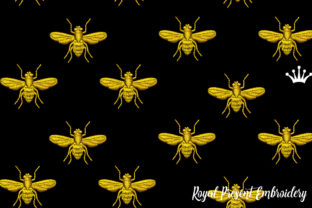
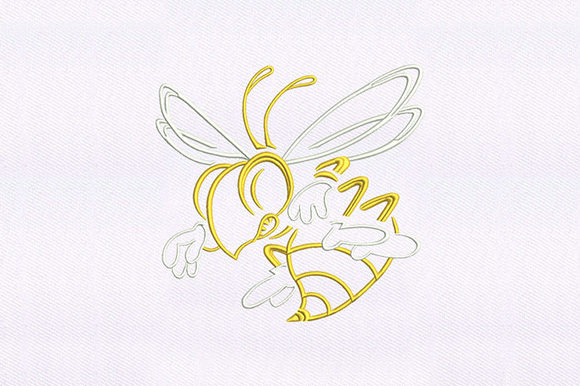
Upon loading the embroidery file into my software, the first thing that struck me was the distinct mood of the Female Honey Bee Design. Unlike generic insect clipart, this design carries a sense of purposeful elegance. It balances the playful charm associated with nursery decor with the sophisticated detail required for adult gifts. The aesthetic feels undeniably handmade and sweet, yet it avoids being overly juvenile. This versatility is crucial for small business owners and Etsy sellers who need one design to serve multiple demographics.
The emotional appeal here is strong. Bees symbolize community, sweetness, and industriousness, making them perfect for family-oriented products. As I reviewed the stitch paths, I could visualize this design evoking warmth on a baby blanket or adding a touch of cottage-core romance to a wedding gift. It does not feel mass-produced; rather, it suggests the care and intention of a handmade product. For those of us in the industry, finding a design that bridges the gap between cute and classic is rare, and this female bee motif achieves that balance beautifully.
Ideal Applications for Personalized Gifts
When integrating this design into a product lineup, context is everything. Based on my test runs and market analysis, the Female Honey Bee Design excels in several key areas for custom embroidery:
- Baby Embroidery: The gentle nature of the design makes it ideal for nursery items. I envision this centered on receiving blankets or positioned over the heart on onesies. It appeals to parents seeking gender-neutral or girl-specific themes that feel timeless rather than trendy.
- Kitchen and Home Textiles: Because bees are associated with honey and home, this design performs exceptionally well on embroidered towels, aprons, and tea cosies. It adds a narrative element to functional items, transforming a simple kitchen towel into a thoughtful housewarming present.
- Wedding and Family Keepsakes: For wedding gifts, the "female" aspect of the bee can subtly represent the bride or matriarchal figures in family crests. Stitched onto linen pillow covers or tote bags, it serves as a memorable symbol of a new union or family heritage.
- Craft Fair and Etsy Listings: Digital product sellers and physical crafters alike will find this design photographs beautifully. The intricate details catch the light in product photography, increasing buyer engagement and perceived value.
Navigating Fabric Choices and Technical Limits
While the Female Honey Bee Design is versatile, my experience dictates that we must be mindful of where we place it. Not all fabrics treat stitch density equally, and ignoring this leads to poor results. During my assessment, I noted specific scenarios requiring caution:
Texture and Stability Challenges
If you plan to use this on thick terry cloth towels or plush blankets, you must account for the pile. Delicate details in the bee’s wings or antennae can get lost in high-pile fabrics without proper preparation. I strongly recommend using a water-soluble topper and a sturdy cutaway stabilizer to keep the stitches crisp. Without this, the design may sink, diminishing the professional finish your customers expect.
Stretchy and Curved Surfaces
Baby clothes and knitwear present another challenge. Stretchy fabrics can distort intricate bug designs if hooped too tightly or stabilized incorrectly. For these items, float the fabric with adhesive stabilizer rather than hooping directly to prevent stretching. Additionally, avoid placing detailed sections of the bee over seams or curved edges on caps or bags, as this causes registration issues and puckering.
Color Contrast and Small Details
The design relies on contrast to define its features. On dark fabrics, ensure your underlay is sufficient to prevent the base fabric from showing through lighter thread colors. Conversely, on very light fabrics, check that darker outline stitches do not pull or create tension issues. Always review small lettering or fine leg details after stitching; if they are thinner than 1mm in the file, they may require needle size adjustments or simplification for commercial production.
Enhancing Perceived Value and Customer Trust
In the competitive world of commercial embroidery, the difference between a sale and a scroll-past often lies in perceived quality. The Female Honey Bee Design contributes significantly to this perception when executed correctly. A clean, well-registered stitch-out signals to the buyer that you care about craftsmanship. This builds trust, especially for high-ticket items like wedding keepsakes or heirloom baby blankets.
Furthermore, offering this design across various products demonstrates range. When a customer sees the same beautiful bee on both a printable mockup for a digital listing and a finished product photo of a pillow cover, it validates the design's adaptability. This consistency reinforces your brand identity as a maker of quality, intentional goods. The emotional connection fostered by such a symbolic image translates directly to buyer loyalty and repeat business.
Essential Pre-Production Checklist for Makers
Before listing any item featuring the Female Honey Bee Design or accepting a custom order, I adhere to a strict testing protocol. I recommend every embroiderer follow these steps to ensure success:
- Verify File Compatibility: This design comes in extensive formats including 10O, ART, CND, DSB, DST, DSZ, EXP, HUS, JEF, PCS, PEC, PES, TAP, VIP, VP3, and XXX. Confirm your machine reads the specific format you intend to use and that no conversion errors have occurred.
- Test on Scrap Fabric: Never stitch directly on a final product without a test run. Use a scrap of the exact material and stabilizer combination planned for the order to check tension and density.
- Check Hoop Size Requirements: Review the dimensions in your software. Ensure the design fits comfortably within your hoop with adequate margin for stabilization. Do not attempt to squeeze a design into a hoop that is too small.
- Evaluate Thread Colors: Compare the recommended palette against your actual thread stock. Subtle shading variations matter in nature designs. If substituting colors, stitch out a sample to ensure the contrast remains effective.
- Confirm Licensing: Before selling finished products or the digital file itself, verify the commercial licensing terms provided with your purchase. Protecting your business means respecting intellectual property rights.
- Create Mockups: For Etsy sellers, create realistic mockups showing the bee on different backgrounds. This helps customers visualize the final result and reduces pre-sale questions.
The Female Honey Bee Design offers a wonderful opportunity to create meaningful, profitable embroidered goods. By respecting the technical requirements and leveraging its inherent emotional charm, makers can transform this digital file into tangible treasures that customers will cherish for years. Whether you are stitching for a nursery, a wedding, or your next craft fair, this design proves that even the smallest bugs can carry the biggest impact in the world of personalized embroidery.