Fantasy Mushroom House Applique for Kids Review
As an Etsy seller and embroidery business owner, I am constantly scouting Creative Fabrica embroidery designs that balance aesthetic appeal with commercial viability. When planning a new collection for my small shop, I look for machine embroidery design files that offer versatility across multiple products without requiring excessive digitizing adjustments. The Fantasy Mushroom House Applique for Kids caught my attention during my recent search for Fairy Tales themed artwork. After evaluating the product description and potential applications, here is my assessment of how this digital embroidery file could fit into a profitable handmade product lineup.
Evaluating Visual Style and Market Appeal
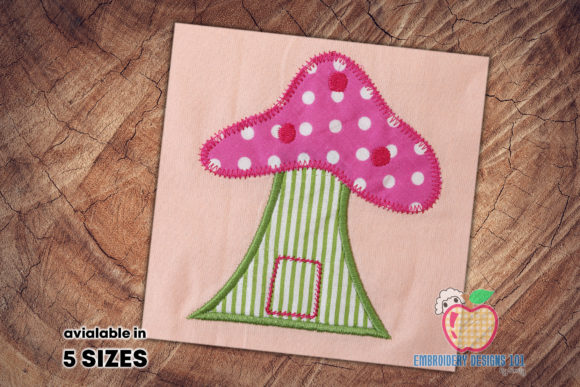
The first question I always ask when reviewing a new embroidery file is whether it fits current market trends while retaining timeless charm. Based on the title and category, Fantasy Mushroom House Applique for Kids leans heavily into a playful, whimsical, and storybook aesthetic. This style is currently performing exceptionally well in the personalized gift and nursery decor markets. It does not feel overly modern or minimalist; instead, it evokes a classic, rustic elegance that appeals to parents seeking enchanted forest themes for their children.
For an Etsy seller, this visual personality is crucial. Shoppers browsing for baby embroidery or custom apparel are often looking for items that feel magical and unique. A fantasy mushroom house suggests imagination and warmth, making it an excellent candidate for products intended as keepsakes. Unlike generic clipart, a dedicated applique design adds texture and dimension that photographs beautifully, helping listings stand out in crowded search results. The "cute" factor here is high, but because it is rooted in the Fairy Tales genre, it avoids feeling cheap or disposable, supporting higher price points for finished goods.
Versatility Across Hoop Sizes and Products
One of the strongest selling points of this specific machine embroidery design is the range of included sizes. The product details indicate availability in five distinct sizes ranging from 4 inches to 8 inches, suitable for hoop sizes 4x4, 5x7, 6x10, 8x8, and 8x12. For a craft business, this size variety is essential for maximizing return on investment. It allows me to use a single design concept across an entire product ecosystem rather than limiting myself to one item type.
Here is how I envision utilizing these specific sizes for commercial embroidery products:
- 4x4 Hoop Size: Perfect for embroidered patch creation, baby bibs, or pocket-sized sweatshirt embroidery. This size is also ideal for adding subtle branding to kitchen towel embroidery or creating personalized tags for tote bag designs.
- 5x7 and 6x10 Hoop Sizes: These are the workhorse sizes for custom apparel. I would use these for center-chest placements on kids' t-shirts or as a primary focal point on toddler aprons. The 6x10 option provides enough detail for complex storytelling elements within the mushroom house design.
- 8x8 and 8x12 Hoop Sizes: Larger formats open up home decor opportunities. An 8-inch design transforms a simple pillow cover into a statement piece or serves as the centerpiece for a baby blanket. These larger sizes also allow for more intricate stitch work, which justifies a premium price for handmade home decor.
Having these options pre-digitized saves significant time. I do not have to worry about resizing artifacts or losing stitch integrity when scaling up for a tote bag design or scaling down for a cap. However, as with any digital embroidery file, I recommend verifying the exact dimensions in your software before stitching to ensure they align with your specific blank inventory.
Practical Considerations for Stitch Quality
While the visual concept is charming, the technical execution determines whether a design is production-ready. Applique designs require precise alignment between placement lines, tack-down stitches, and satin borders. When testing Fantasy Mushroom House Applique for Kids, my primary focus will be on stitch density and registration.
Before listing any finished product, I strongly advise creating a sample stitch-out on the actual fabric you intend to sell. A design that looks perfect on screen may behave differently on textured linen versus smooth cotton. Check the stabilizer requirements carefully; mushroom houses often involve curves and organic shapes that can distort if the fabric is not adequately supported. Pay close attention to the column width of the applique edges. If the satin stitch is too narrow, it may fray after washing; if it is too wide, it may look bulky on lightweight baby embroidery projects.
Additionally, review the thread colors specified in the file. While I often customize palettes to match my brand, understanding the original color plan helps identify shading techniques used by the digitizer. Testing different thread brands against the design can also reveal how light reflection impacts the final look. A matte thread might give a rustic vibe, while rayon could enhance the fantasy element. Always confirm the detailed stitch count provided in the product information to estimate production time accurately. High stitch counts mean longer run times, which must be factored into pricing for custom apparel and commercial embroidery orders.
Enhancing Listings with Professional Presentation
Acquiring the embroidery file is only half the battle; presenting it effectively to buyers is what drives sales. Fantasy Mushroom House Applique for Kids offers excellent opportunities for compelling product photography. Because the design is inherently narrative, it lends itself to lifestyle shots rather than flat lays alone. Imagine photographing a stitched mushroom house on a sweatshirt worn by a child reading a book, or draped over a nursery chair. These contextual images help buyers visualize the emotional value of the personalized gift.
For sellers who cannot immediately produce physical samples for every size variation, printable mockup templates can bridge the gap. However, nothing replaces the trust built by showing a real stitch-out. When creating Etsy listings, zoom in on the texture of the applique. Buyers want to see the quality of the satin stitches and the precision of the corners. Highlighting these details reassures customers that they are purchasing a professional handmade product rather than a mass-produced print.
Social media previews are another avenue where this design shines. The whimsical nature of the mushroom house performs well on platforms like Instagram and Pinterest. Create short videos showing the stitching process or the final reveal. Use relevant tags related to Fairy Tales, nursery decor, and machine embroidery to reach niche audiences. Remember to check readability at thumbnail size; the bold shapes typical of applique designs usually scale down well for mobile browsing, but it is worth verifying that the smallest 4x4 version remains distinct in a grid view.
Licensing and Commercial Viability
Finally, no evaluation is complete without addressing licensing. As creative entrepreneurs, we must protect our businesses by adhering to usage terms. Before selling any item featuring Fantasy Mushroom House Applique for Kids, thoroughly review the license agreement on the Creative Fabrica product page. Confirm whether the license permits commercial use for physical finished products and if there are any limitations on quantity or platform. Some licenses distinguish between selling physical embroidered goods and selling digital files; ensure you are compliant with the specific terms for this embroidery file.
In summary, Fantasy Mushroom House Applique for Kids appears to be a strong contender for shops focusing on children’s apparel, nursery decor, and whimsical gifts. Its multi-size format supports a diverse product range, from kitchen towel embroidery to elaborate baby blankets. By combining careful technical testing with strategic marketing and strict adherence to licensing, this design has the potential to become a staple in your Fairy Tales collection. Always prioritize sampling and quality control to ensure your finished products meet the high standards your customers expect from a professional embroidery business.