Chief His Son Design: Etsy Seller Review
As an embroidery business owner constantly scouting for fresh inventory, I approach every new machine embroidery design with a specific set of criteria. It is not enough for a file to simply stitch out cleanly; it must also possess commercial viability and visual appeal that translates through a camera lens. When evaluating the Chief His Son Design available on Creative Fabrica, I am looking at this asset through the lens of product planning for my small shop. This review breaks down how this specific embroidery file fits into a production schedule, which products it suits best, and what practical steps fellow sellers should take before listing items for sale.
Evaluating Visual Style and Market Fit
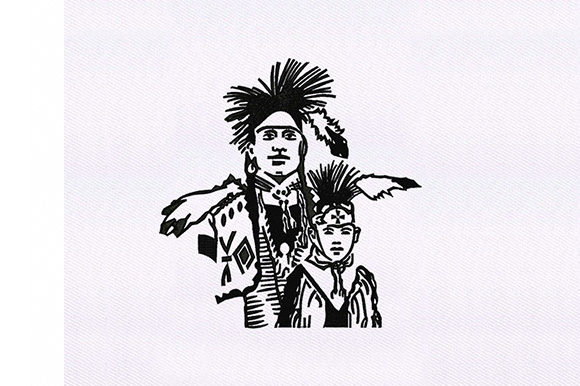
The title Chief His Son Design immediately suggests a narrative rooted in heritage, family lineage, or perhaps a playful nod to leadership dynamics within a family unit. For sellers targeting the North American market, designs with this type of naming convention often resonate deeply with customers looking for meaningful, identity-driven merchandise. Visually, one must assess whether the artwork leans toward rustic tradition or modern minimalism. Based on the title, I anticipate a style that feels bold yet sentimental, making it highly suitable for personalized gift categories.
When browsing Creative Fabrica embroidery libraries, it is vital to determine if a design fills a gap in your current catalog. Does this design offer a masculine or unisex aesthetic that balances out a shop typically filled with floral or feminine motifs? If the artwork features strong lines and clear iconography, it likely photographs exceptionally well. High-contrast designs tend to perform better as thumbnails on Etsy because they remain readable at small sizes. Before purchasing, I always zoom in on the preview to ensure the details will not get lost when scaled down for mobile shoppers.
Best Product Applications for Small Shops
Versatility is the hallmark of a profitable digital embroidery file. A single design should ideally serve multiple product categories to maximize return on investment. Here is how I would strategize using the Chief His Son Design across different blank goods:
- Sweatshirt Embroidery: This is arguably the strongest application. Placed on the left chest or centered on a crewneck, this design can anchor a "Dad and Me" or family reunion collection. The emotional connection implied by the title adds perceived value to custom apparel.
- Tote Bag Design: Canvas totes are excellent canvases for narrative designs. If the stitch count is moderate, this could work beautifully on natural cotton canvas, appealing to customers who prefer eco-friendly, handmade products with a story.
- Kitchen Towel Embroidery: For a more domestic angle, consider flour sack towels. However, verify that the design density is appropriate for lighter fabrics to prevent puckering. A lighter, airier version of the design works best here.
- Baby Embroidery: If the artwork includes softer elements or can be resized without losing integrity, it could transition into nursery decor or baby blankets. Always test stitch density on plush fabrics like minky or fleece before committing to a full production run.
- Embroidered Patch: Creating standalone patches allows customers to customize their own gear. This extends the life of the design beyond pre-made goods and opens up a lower price-point entry for buyers.
Technical Considerations and File Compatibility
One of the immediate advantages of this machine embroidery design is the extensive list of included formats: 10O, ART, CND, DSB, DST, DSZ, EXP, HUS, JEF, PCS, PEC, PES, TAP, VIP, VP3, and XXX. For a craft business operating multiple machines or outsourcing production, this compatibility is crucial. Having native files like PES for Brother machines or JEF for Janome reduces the risk of conversion errors that can occur when using third-party software to translate between formats.
However, format availability does not guarantee hoop compatibility. As a seller, you must confirm the specific dimensions and hoop size requirements directly on the Creative Fabrica product page. Never assume a design fits your 4x4 hoop just because the file type is correct. I recommend downloading the file and opening it in your embroidery software or machine to verify the exact stitch count and dimensions before cutting any fabric. This step prevents wasted materials and ensures your commercial embroidery workflow remains efficient.
Production Planning and Quality Control
Integrating a new design requires a disciplined testing phase. Even high-quality Creative Fabrica embroidery files can behave differently depending on your specific machine tension and fabric choice. Before listing any finished product, create a sample stitch-out on the exact material you intend to sell. This serves two purposes: quality assurance and content creation.
During the test stitch, pay close attention to the following:
- Stabilizer Selection: Does the design require cut-away, tear-away, or water-soluble stabilizer? Heavier designs on stretchy knits (like sweatshirts) almost always require cut-away to maintain shape over time.
- Thread Colors: Evaluate the color palette against current trends. While the digitizer provides suggested colors, adapting them to match popular neutral tones or seasonal palettes can increase sales velocity.
- Registration: Check for gaps between outline stitches and fill areas. Poor registration looks unprofessional in product photos and leads to customer returns.
- Run Time: Calculate the actual stitching time versus the selling price. Ensure the handmade product remains profitable after accounting for thread, stabilizer, wear on the machine, and labor.
Marketing and Merchandising Strategy
The way you present the Chief His Son Design matters as much as the stitch quality. Online shoppers cannot touch the product, so your photography must bridge that gap. Avoid relying solely on digital mockups. While a printable mockup is useful for quick listings, real photos of the embroidered item build trust. Photograph the texture of the threads, the drape of the fabric, and the design in natural lighting.
For social media previews and Etsy listings, highlight the emotional aspect of the design. Use keywords that align with the buyer's intent, such as "father son matching," "family heritage gift," or "custom dad apparel." If the design has a specific cultural or regional significance within North America, mention this respectfully and accurately in your description to attract niche buyers. Remember to clearly state that the item is a physical embroidered product to avoid confusion with digital downloads, unless you are specifically selling the file itself under appropriate licensing.
Licensing and Commercial Rights Verification
Perhaps the most critical step for any Etsy seller using marketplace assets is verifying usage rights. Before producing a single item for sale, review the specific license terms attached to the Chief His Son Design on Creative Fabrica. Licenses vary significantly; some allow unlimited sales of finished physical products, while others may cap the number of units or prohibit use on certain items like mass-produced apparel.
Keep a record of your purchase receipt and the license terms active at the time of download. This documentation protects your craft business in case of future disputes. Additionally, never resell the digital file itself or include it as a free bonus with physical products unless explicitly permitted. Respecting intellectual property ensures the sustainability of the design community and keeps your shop compliant with platform policies.
Final Thoughts for Creative Entrepreneurs
The Chief His Son Design presents a promising opportunity for sellers focusing on family-oriented, heritage-style, or masculine merchandise. Its wide format support makes it accessible to most machine owners, and its thematic strength offers clear marketing angles. By combining technical due diligence with strategic product placement, this embroidery file can become a staple in your seasonal or evergreen collections. Always prioritize testing, respect licensing, and let the quality of your finished product speak to the value of your craftsmanship.